Abstract:
Mining contributes meaningfully to the socioeconomic development of many nations. For instance, the sector accounted for 7.5% and 7.6% of Ghana’s GDP in 2021 and 2022, respectively, according to the Ghana Statistical Service; 16% of Botswana’s GDP in 2019 (Yager, 2023); and 4.4% of China’s GDP (China Statistical Yearbook, 2023).
Notwithstanding these benefits, mining activities have displaced many communities globally and brought hardship to affected persons(Cernea, 2021). Previous studies have largely focused on the aftermath of displacement (Botchwey & Yankey, 2023; Downing, 2002.; Oware Twerefoo, 2021; Terminski, 2012) to mention but a few.
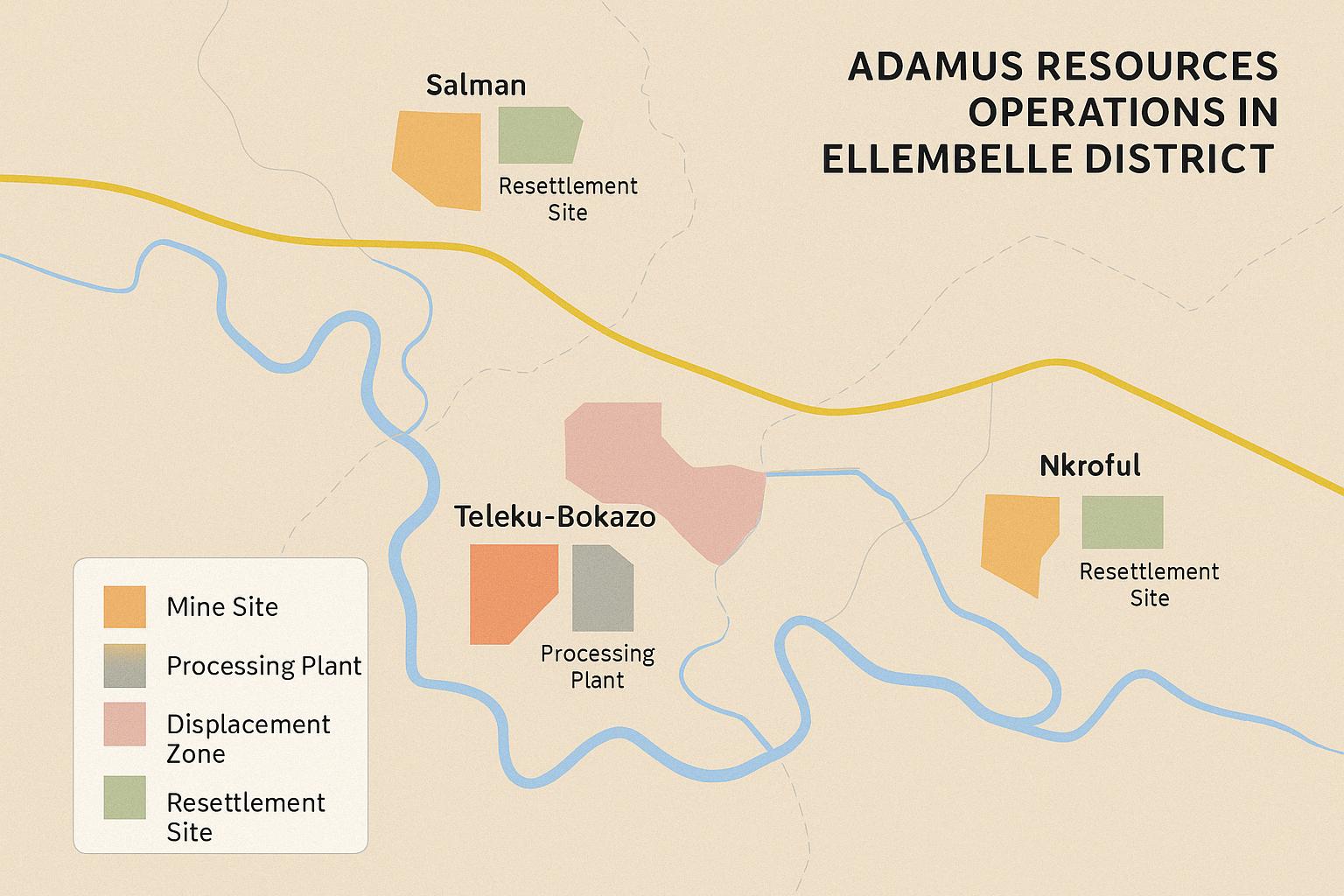
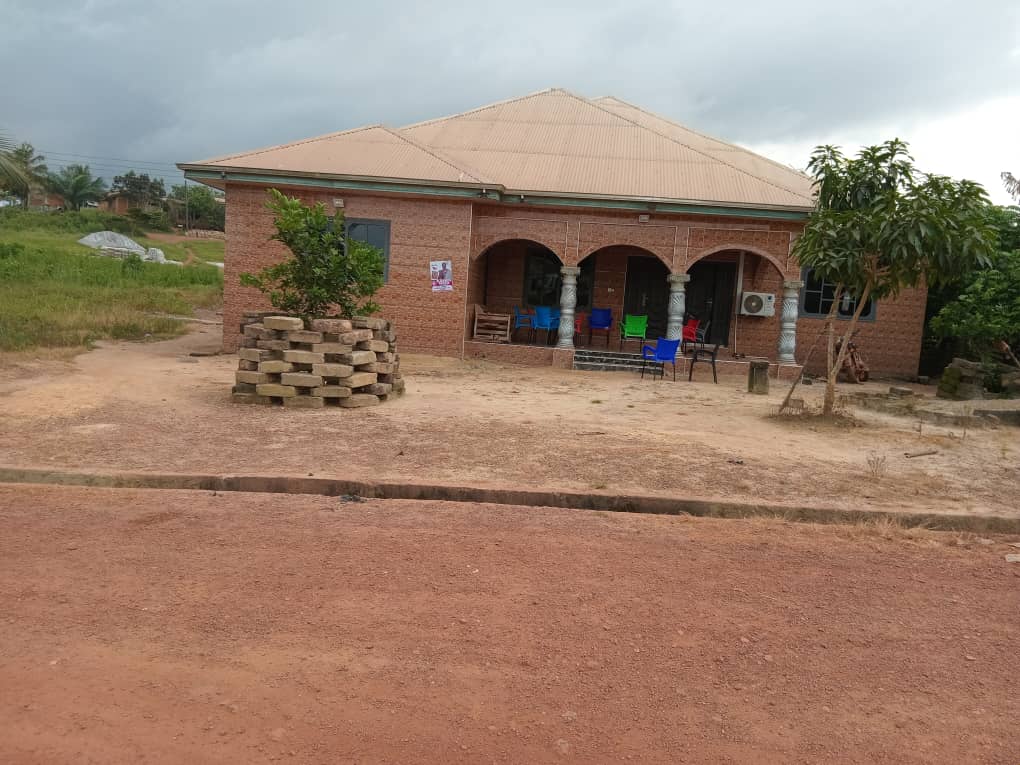
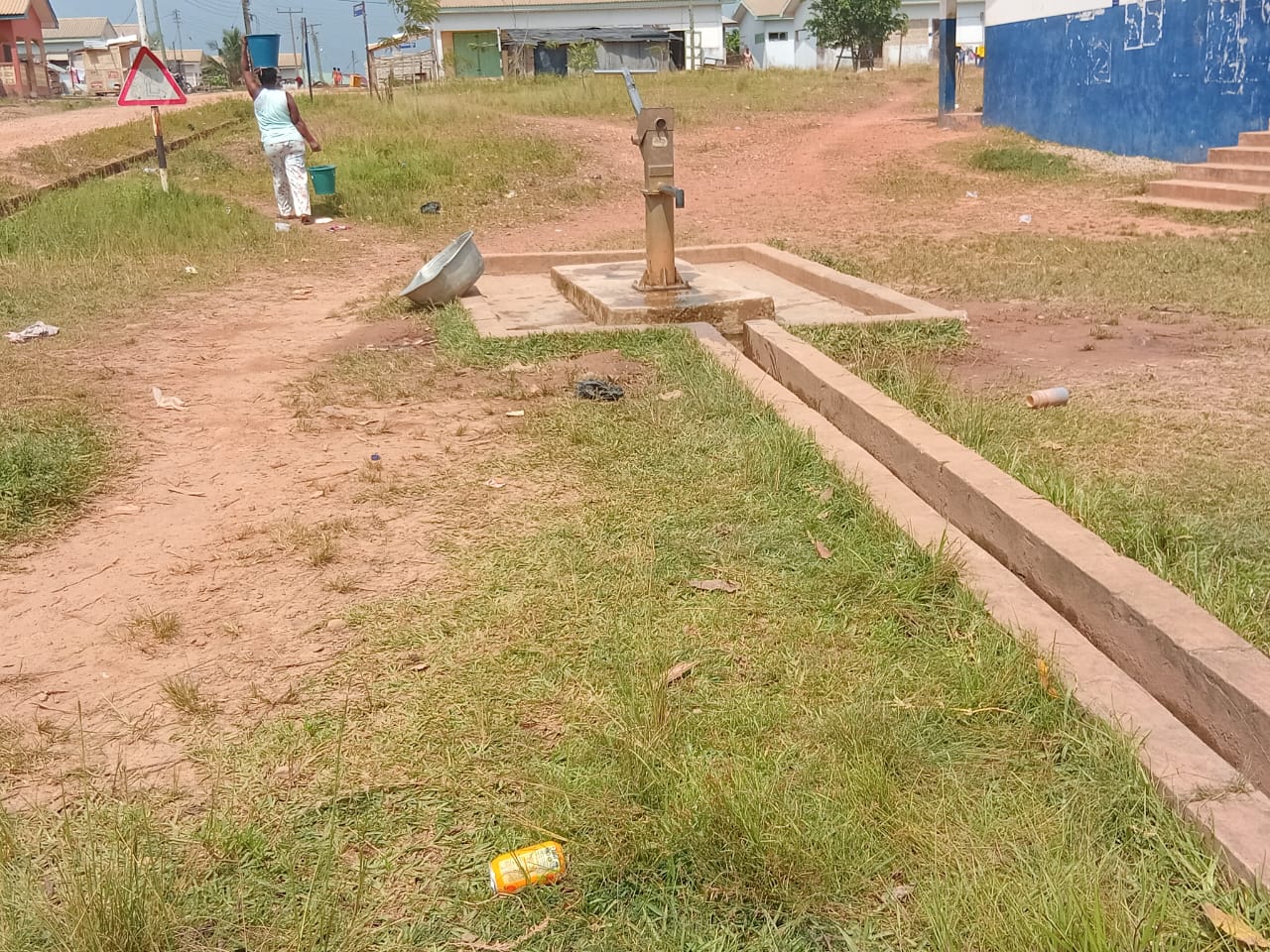
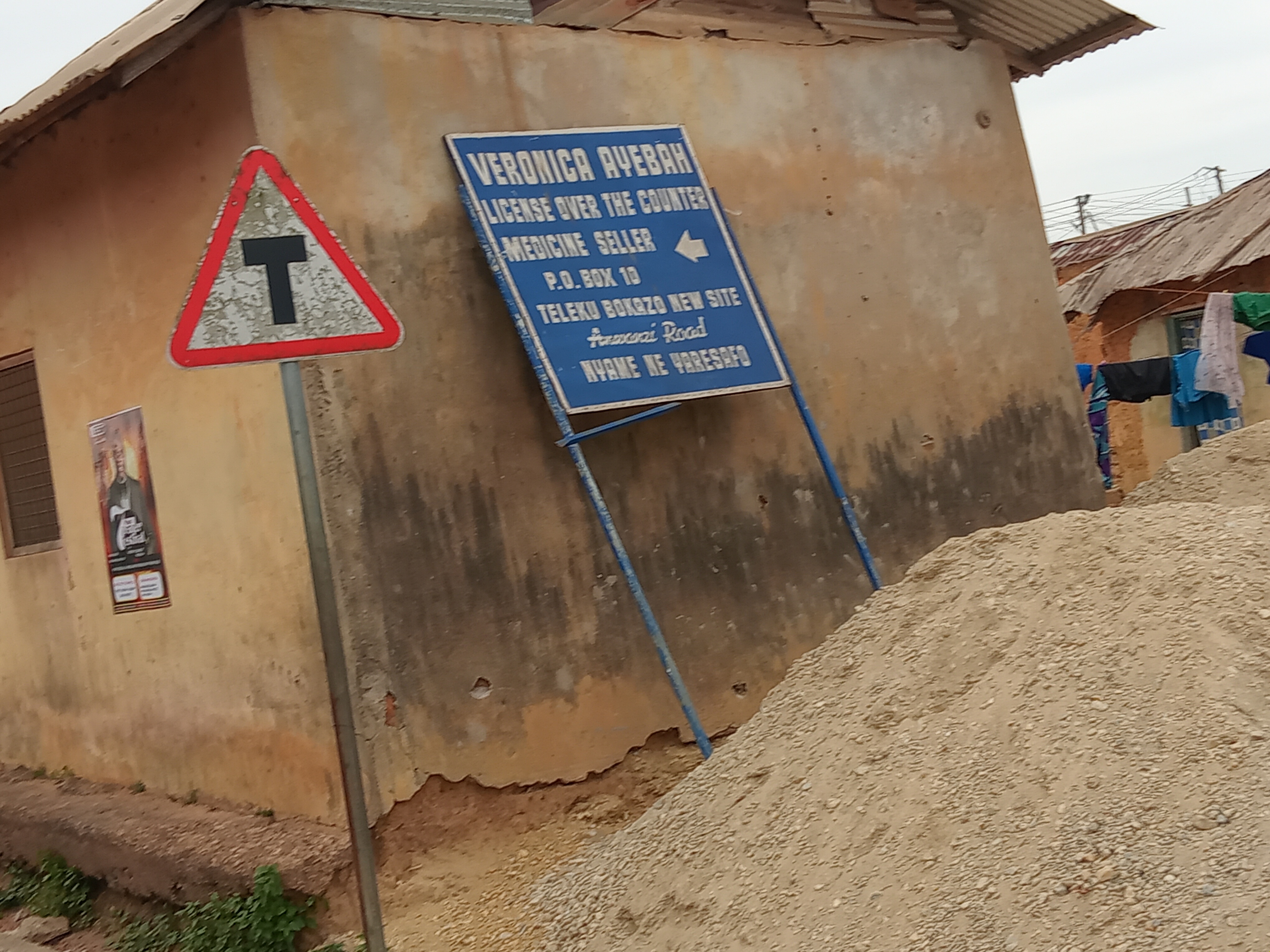
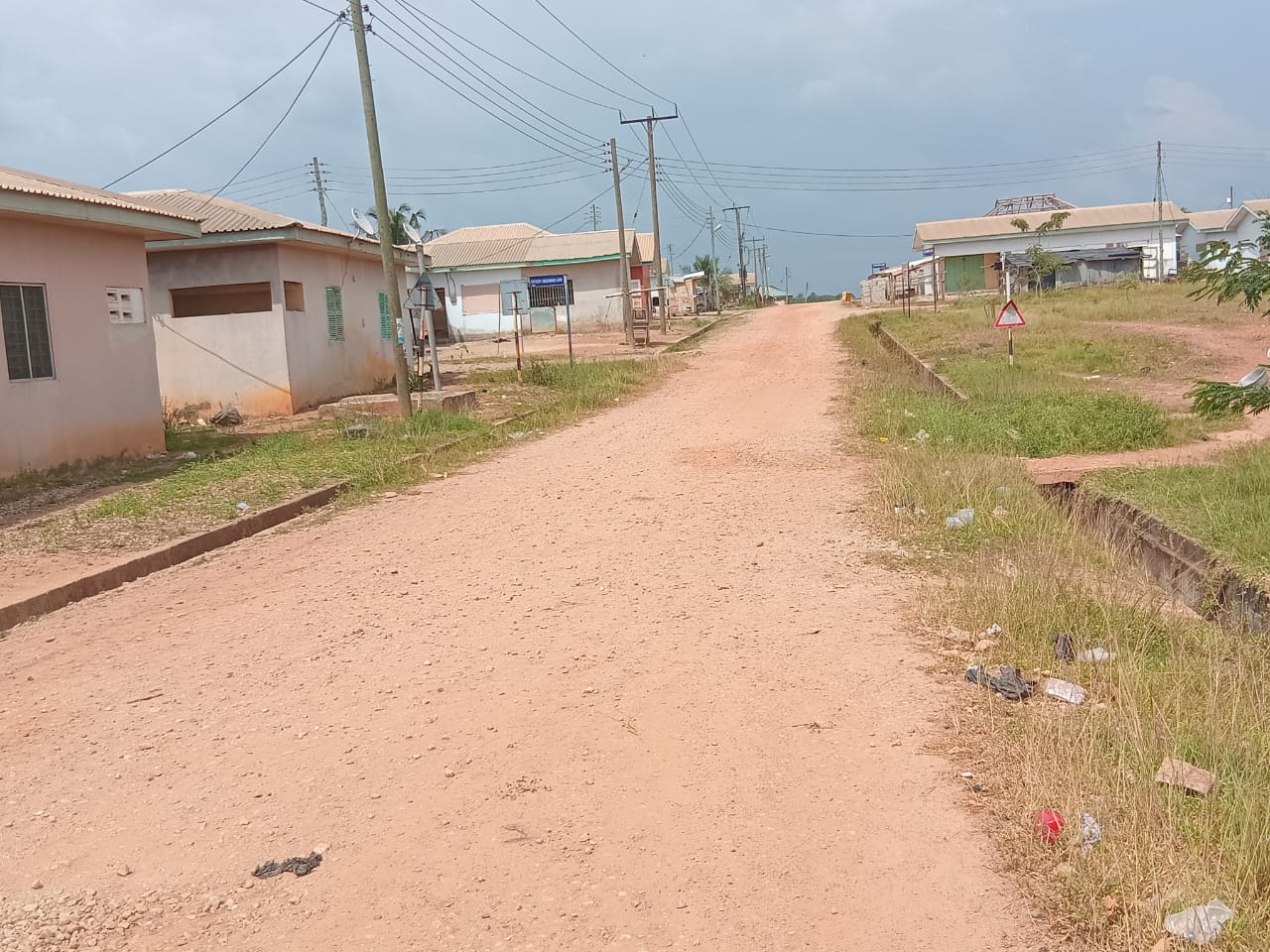
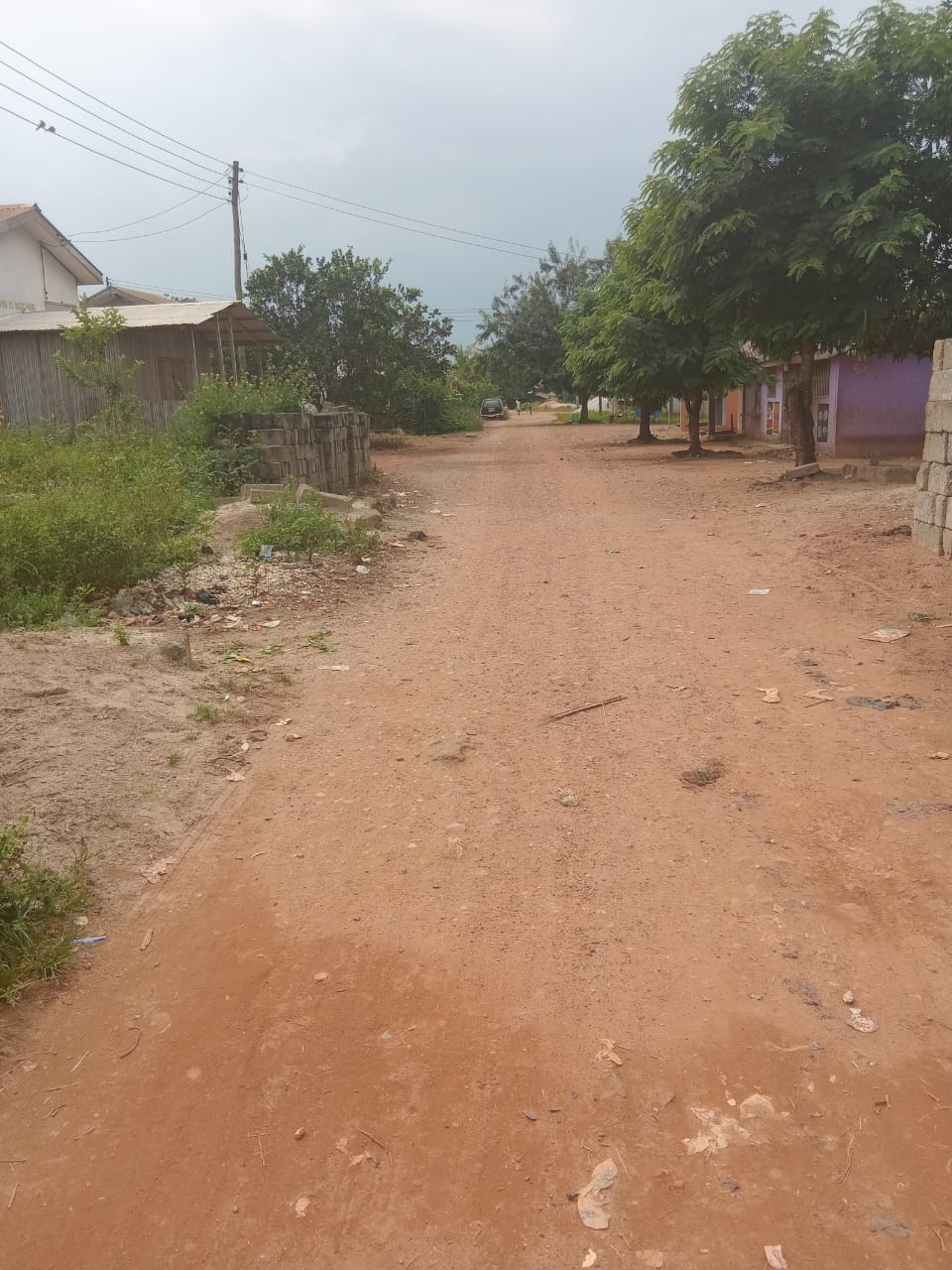
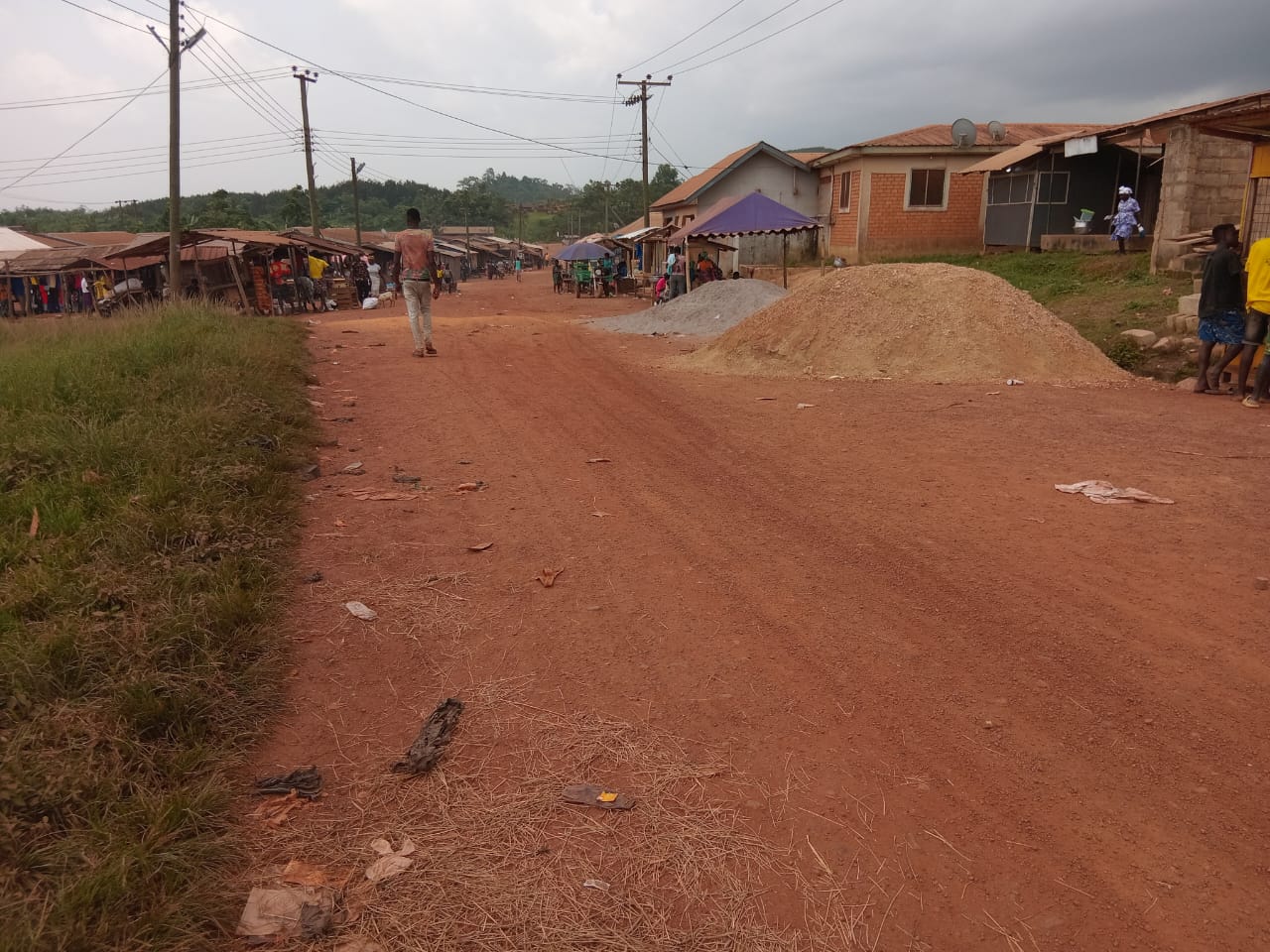
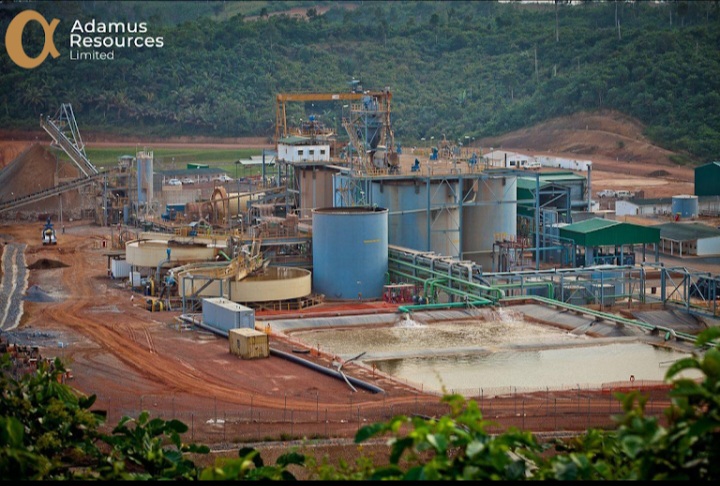
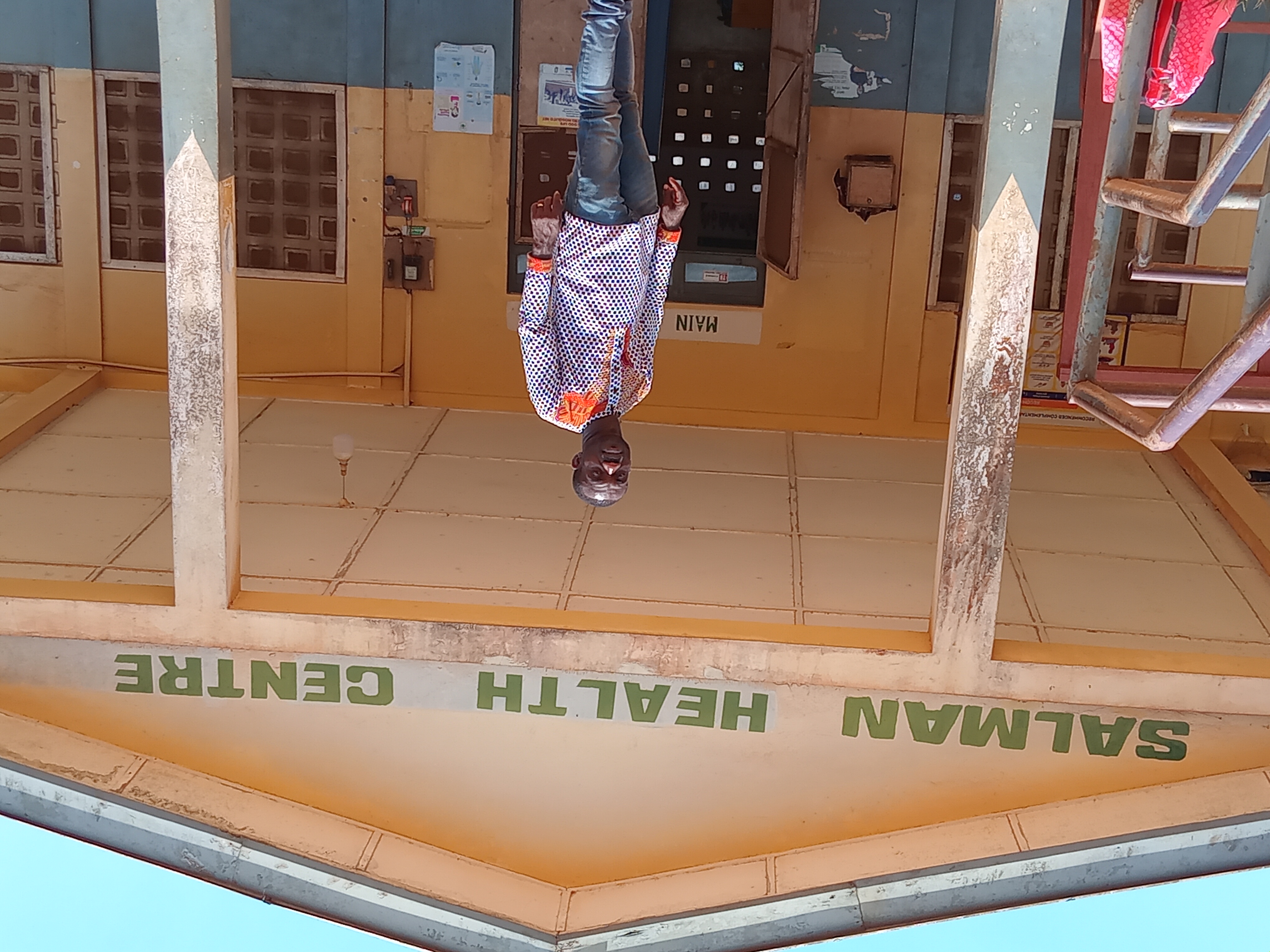
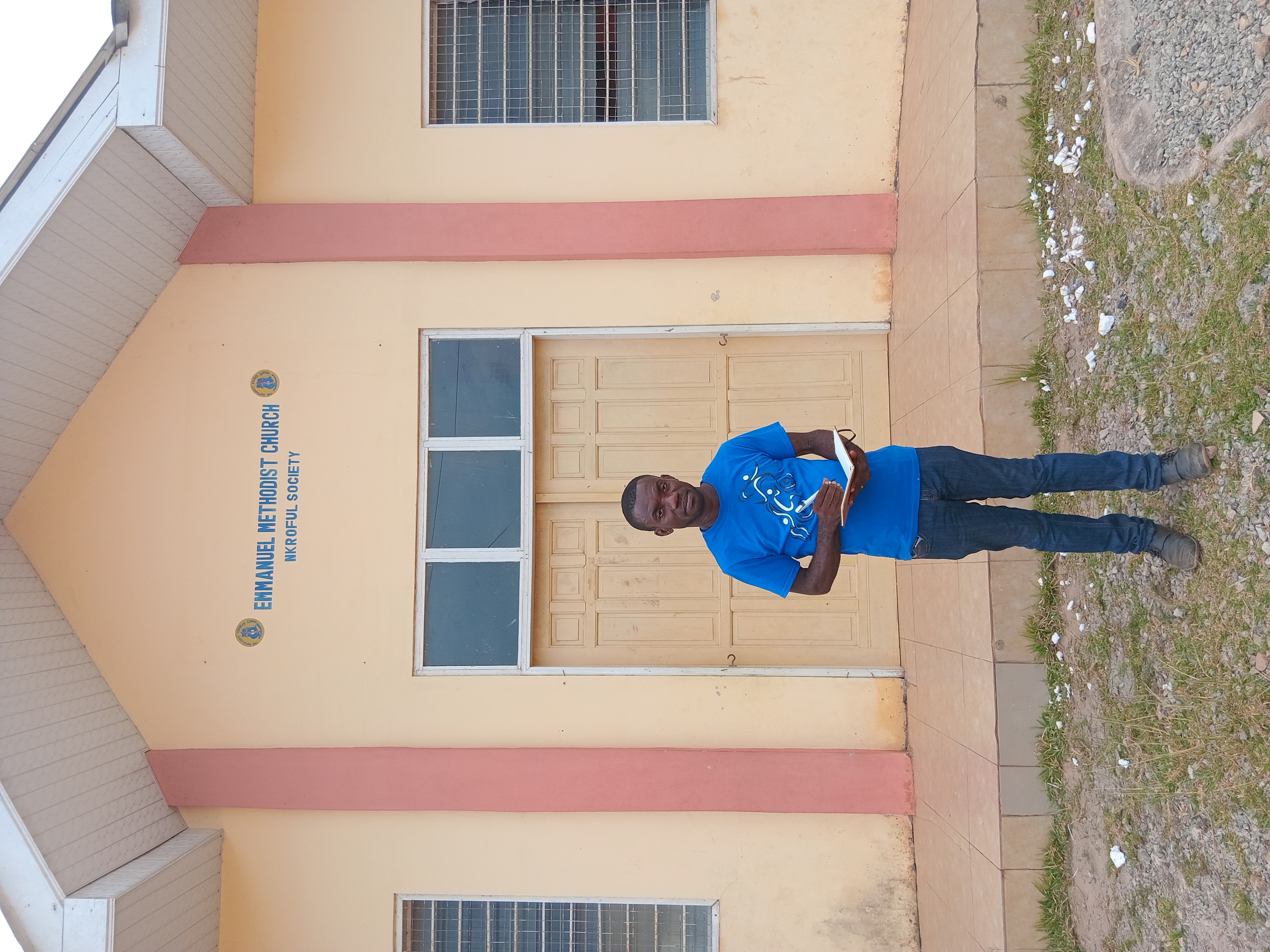
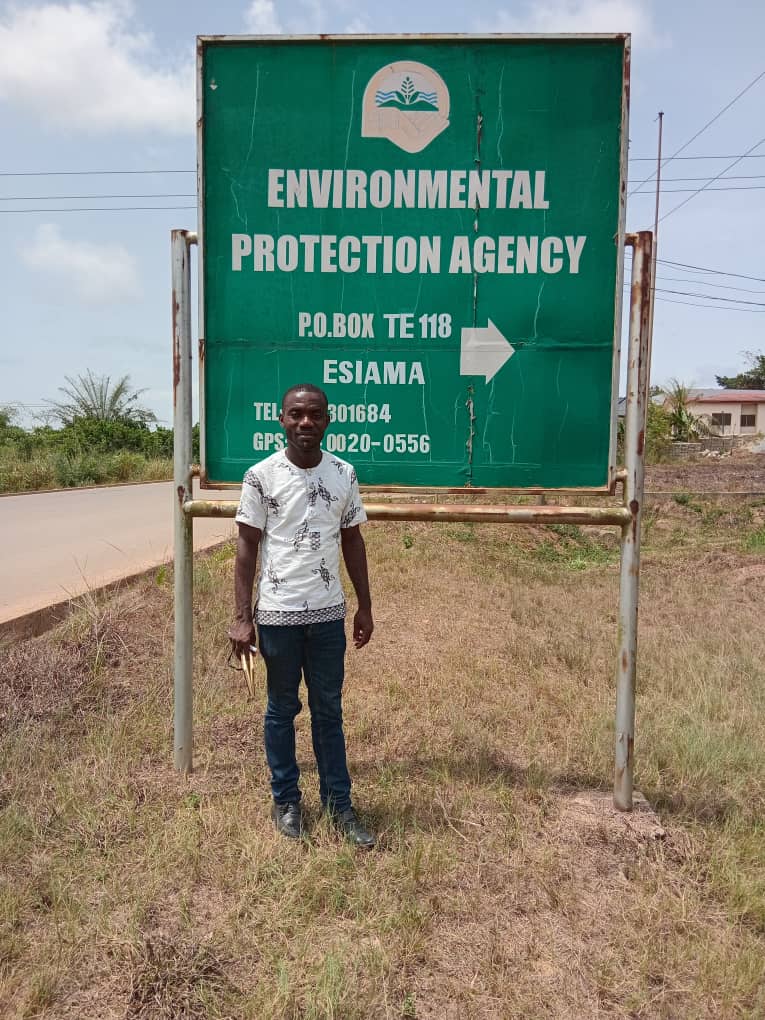
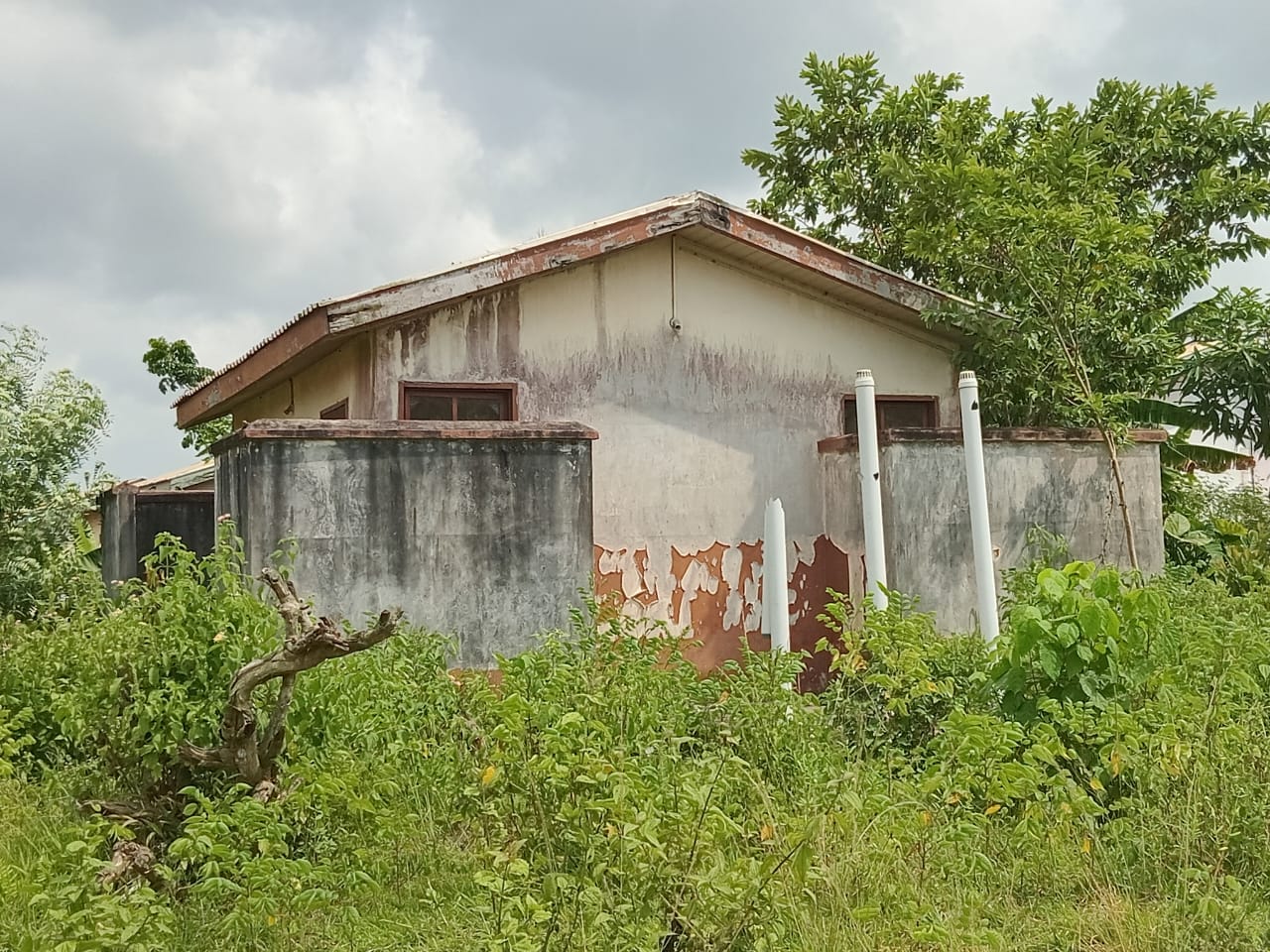
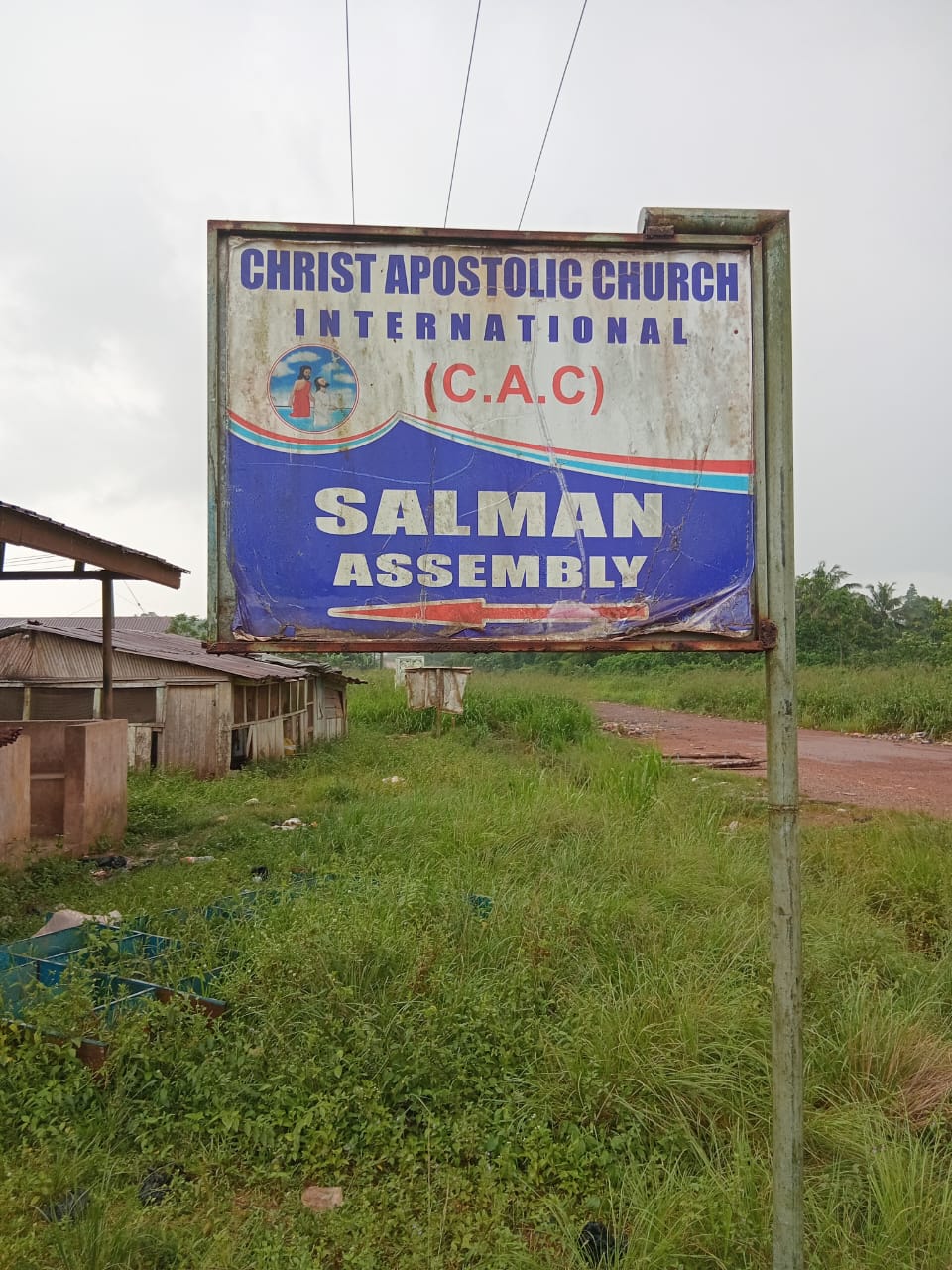
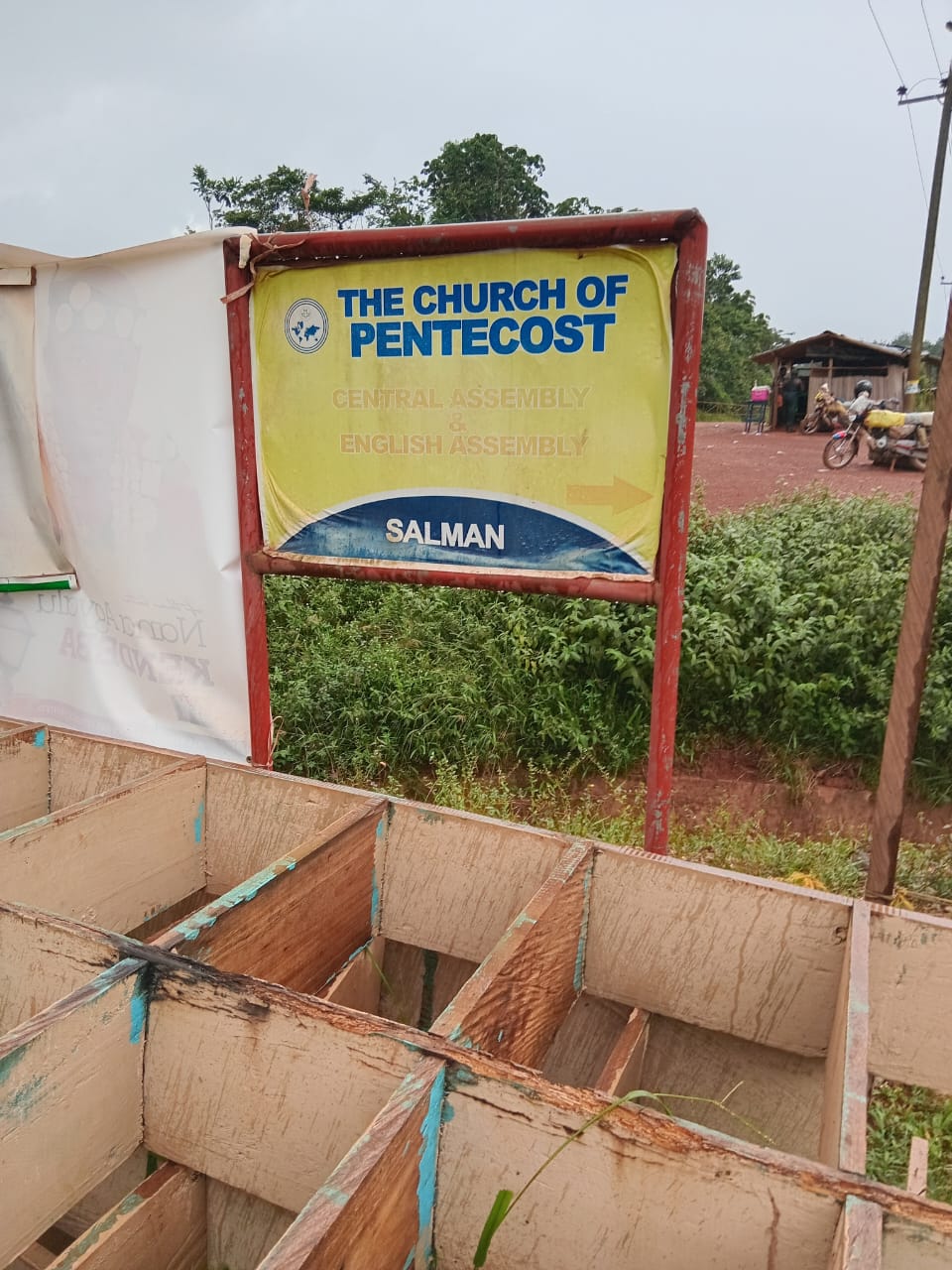
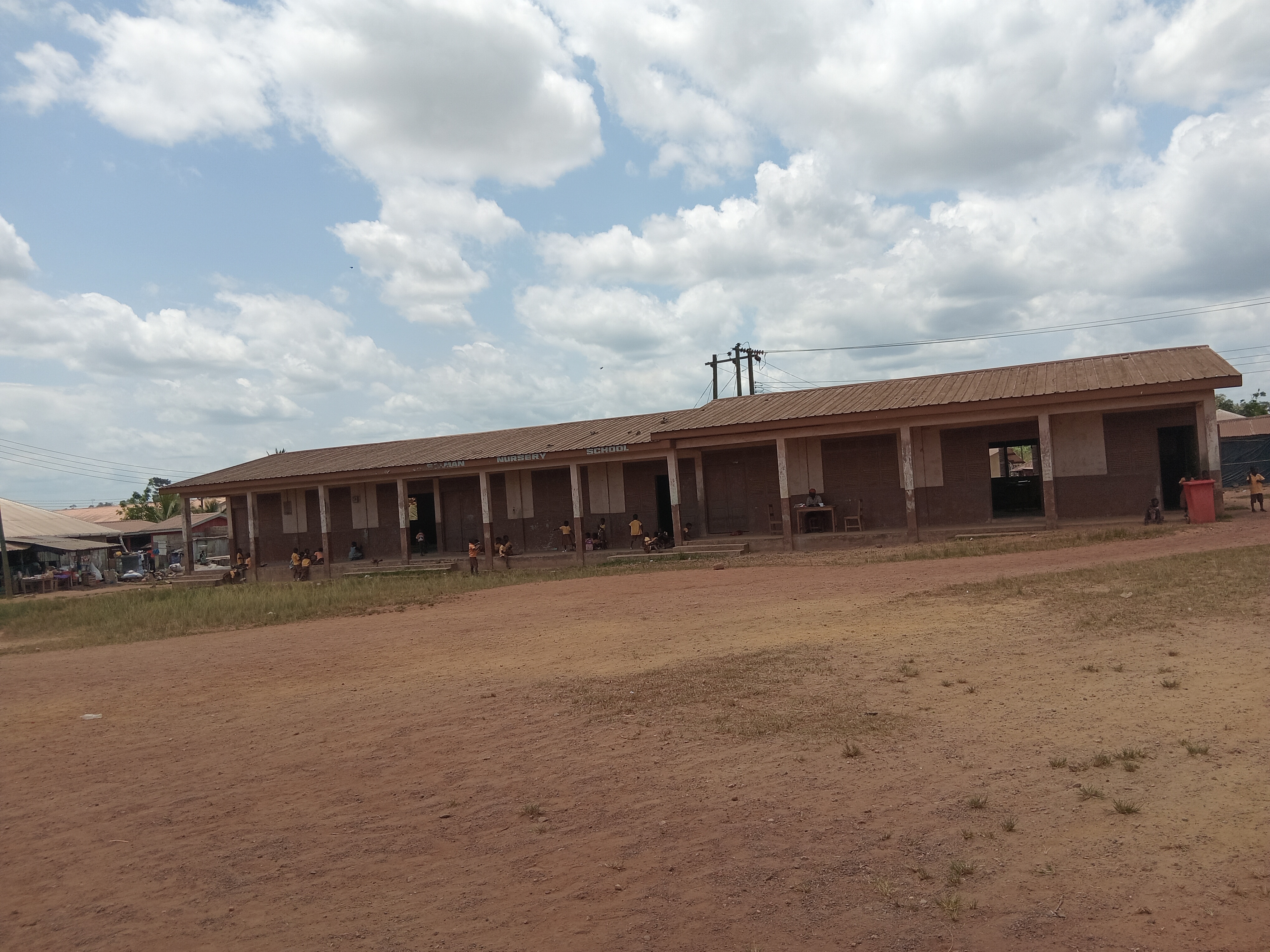
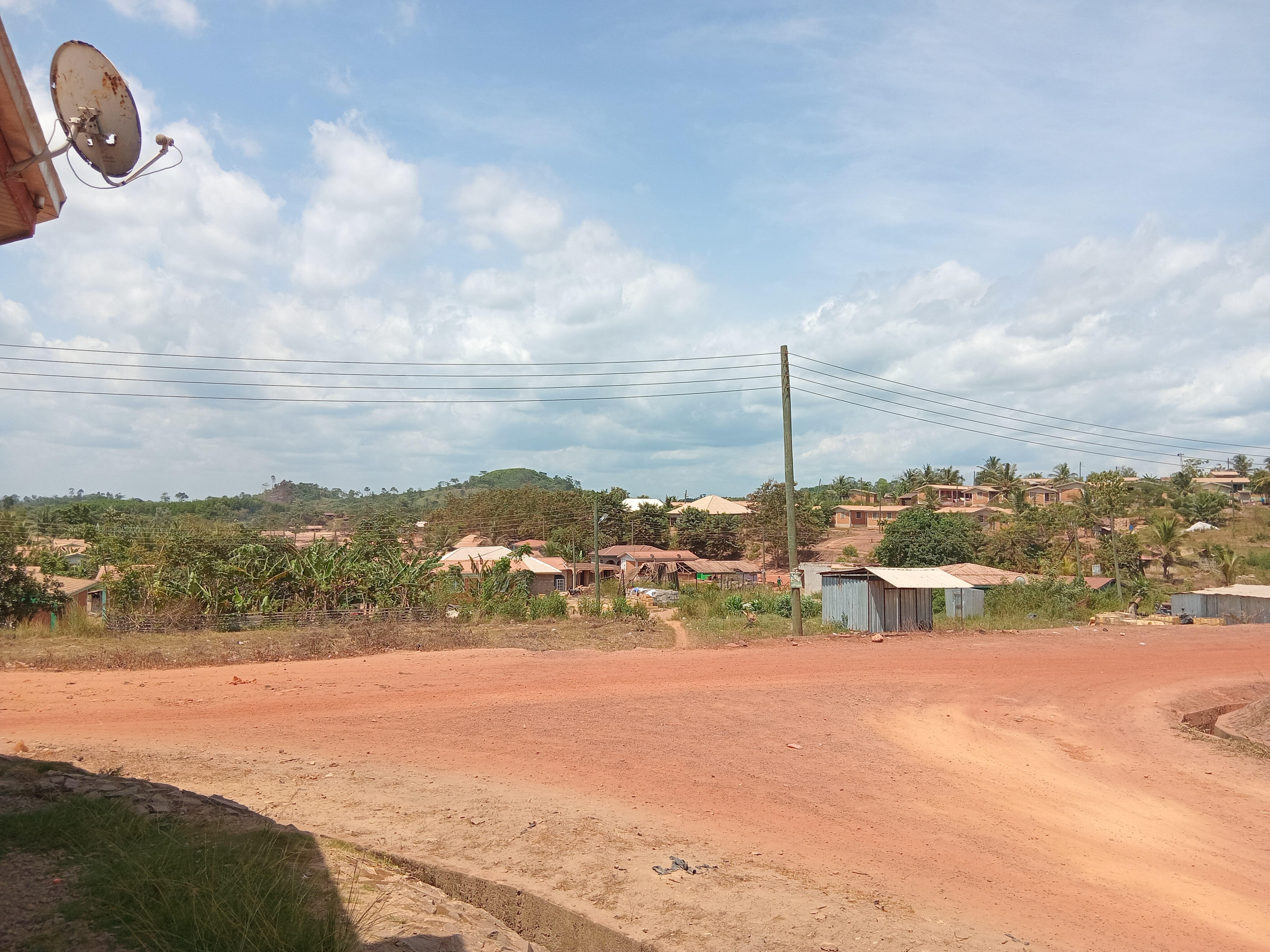
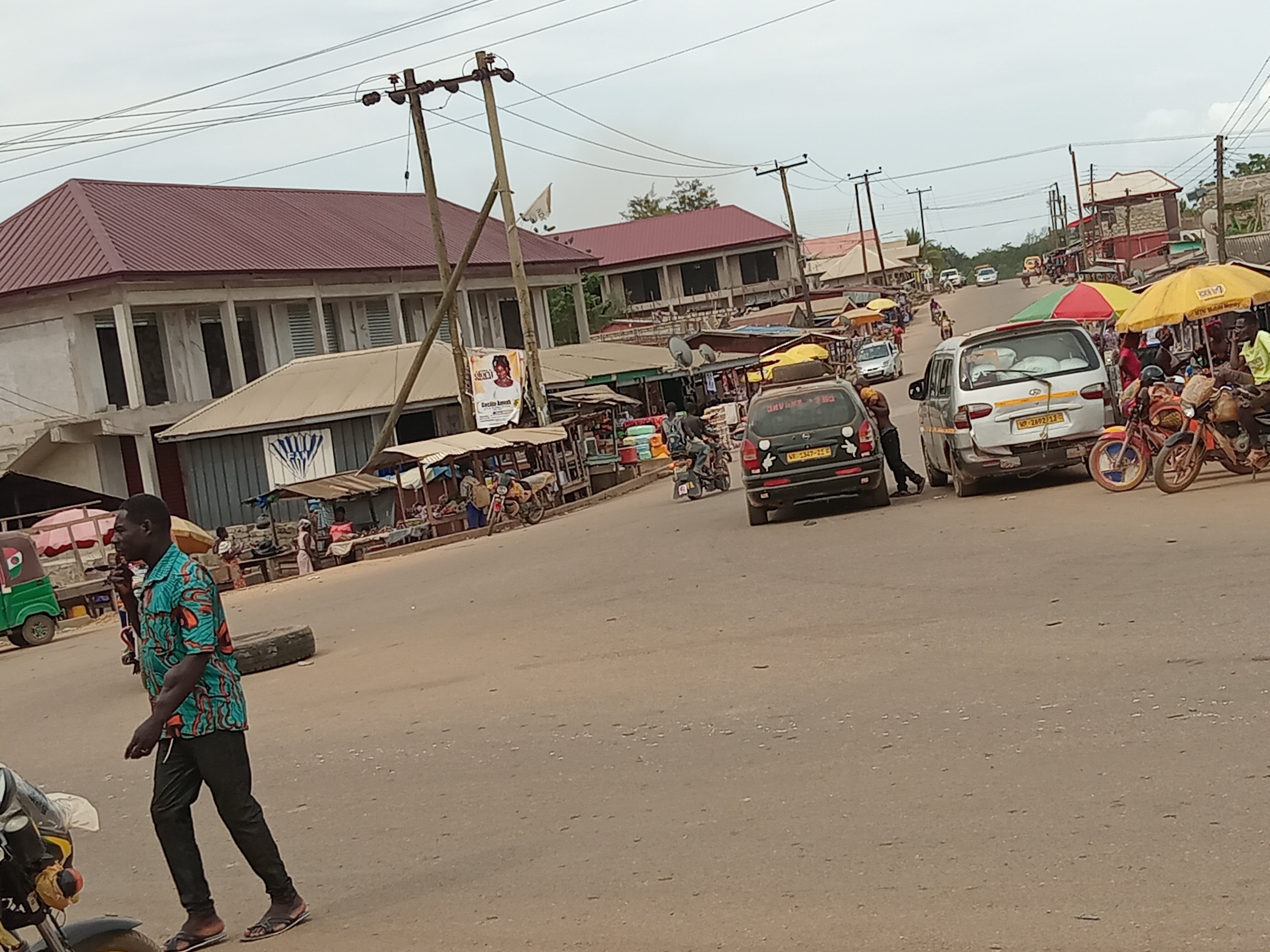
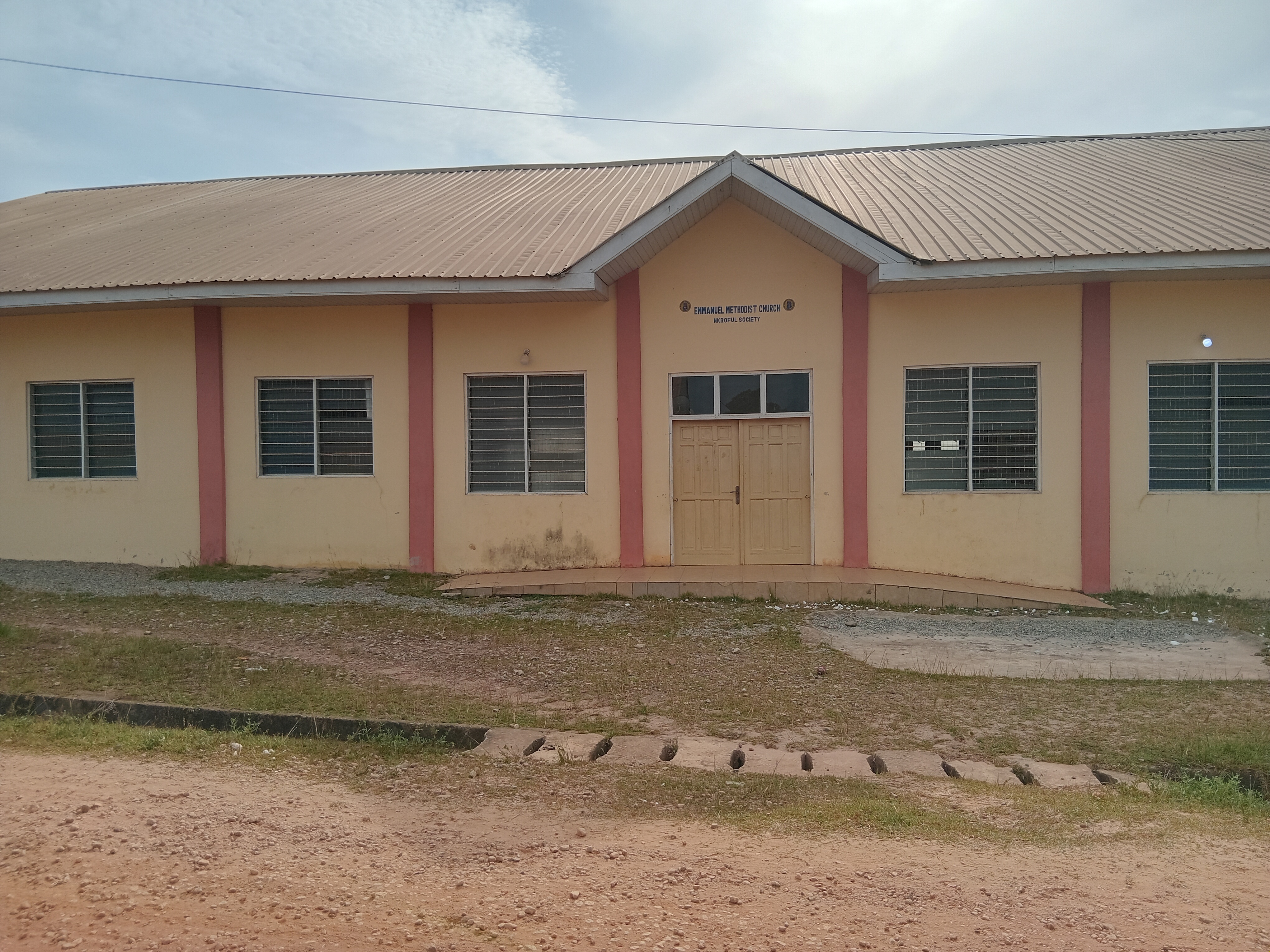
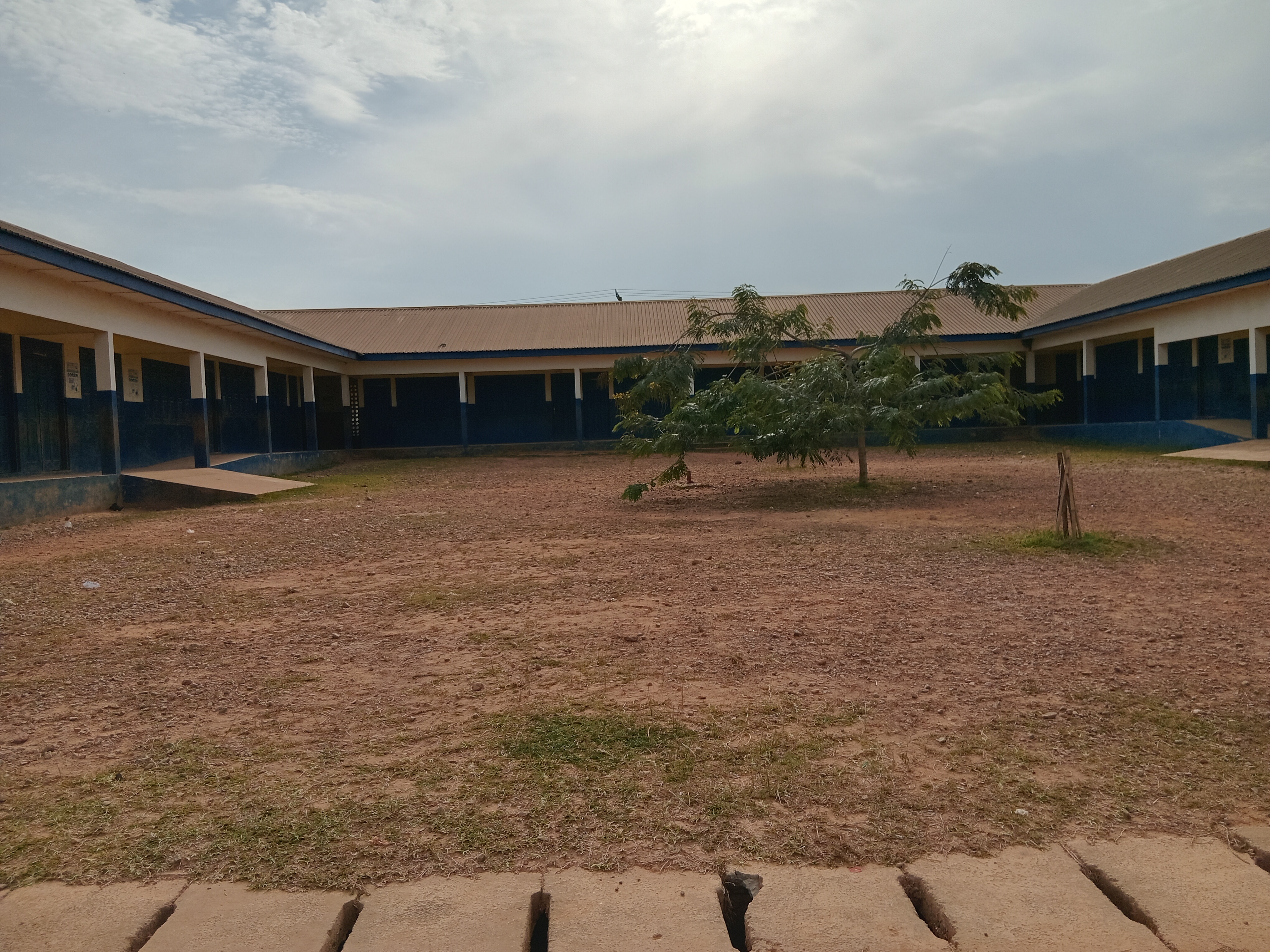
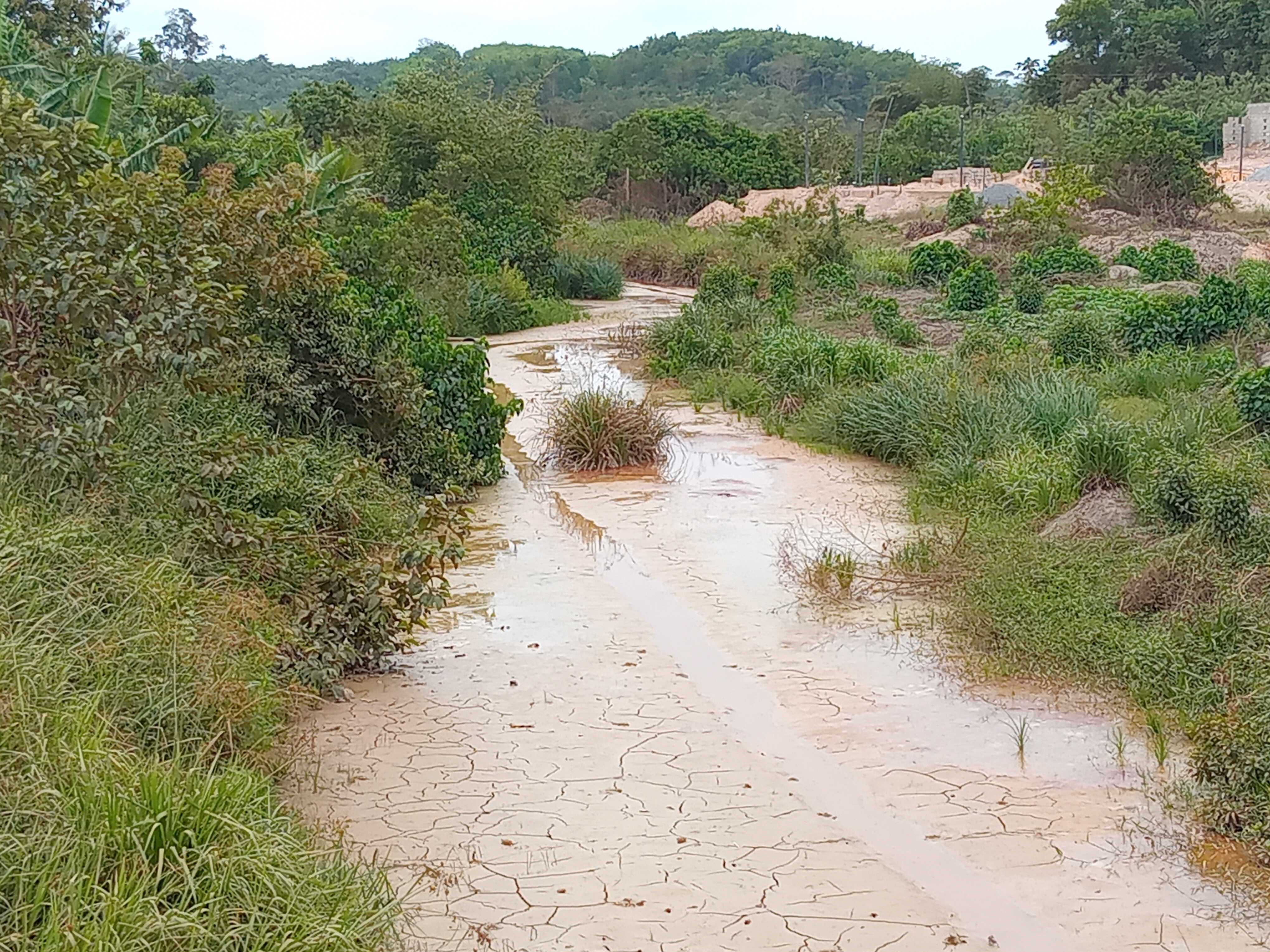
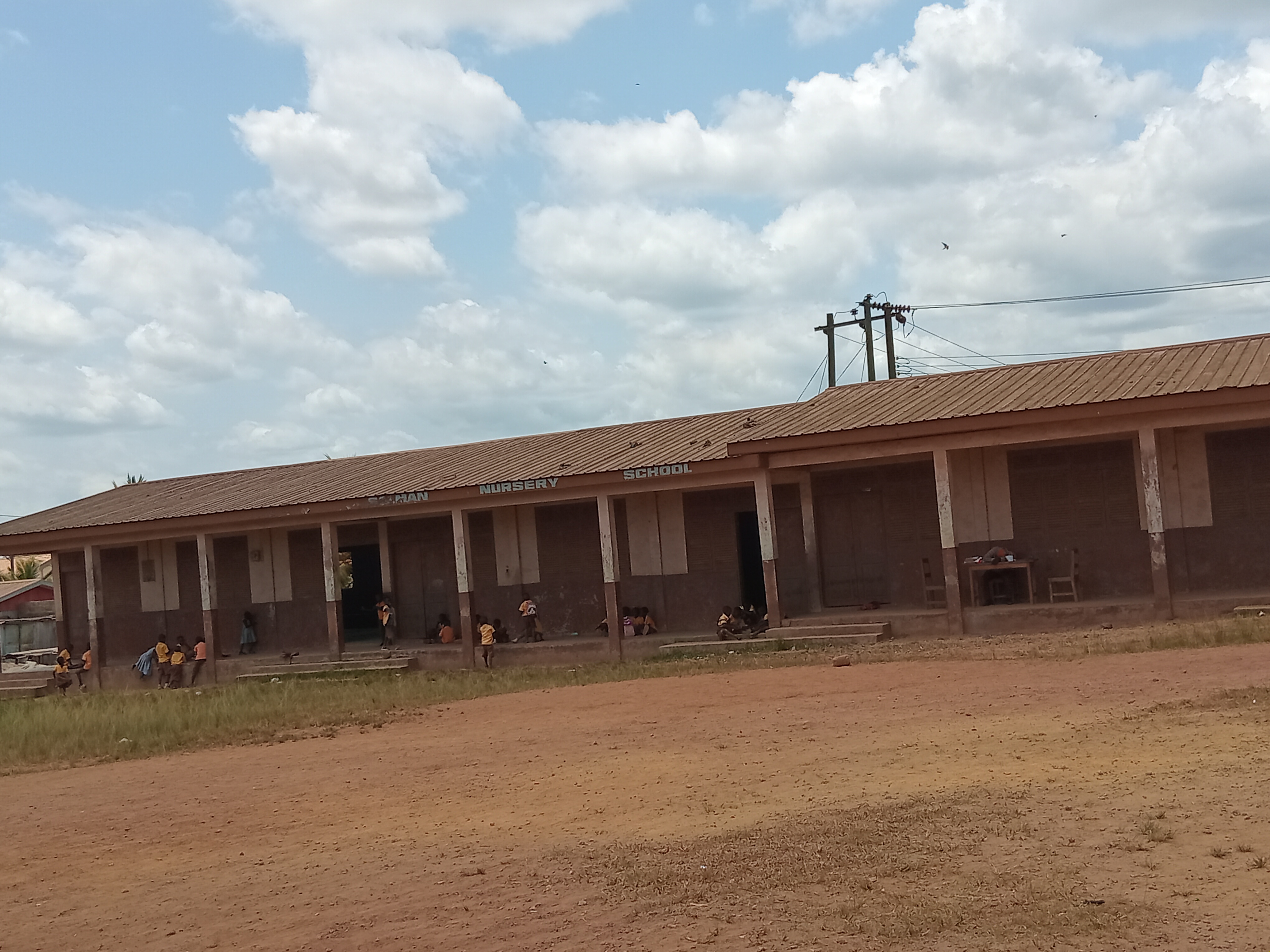
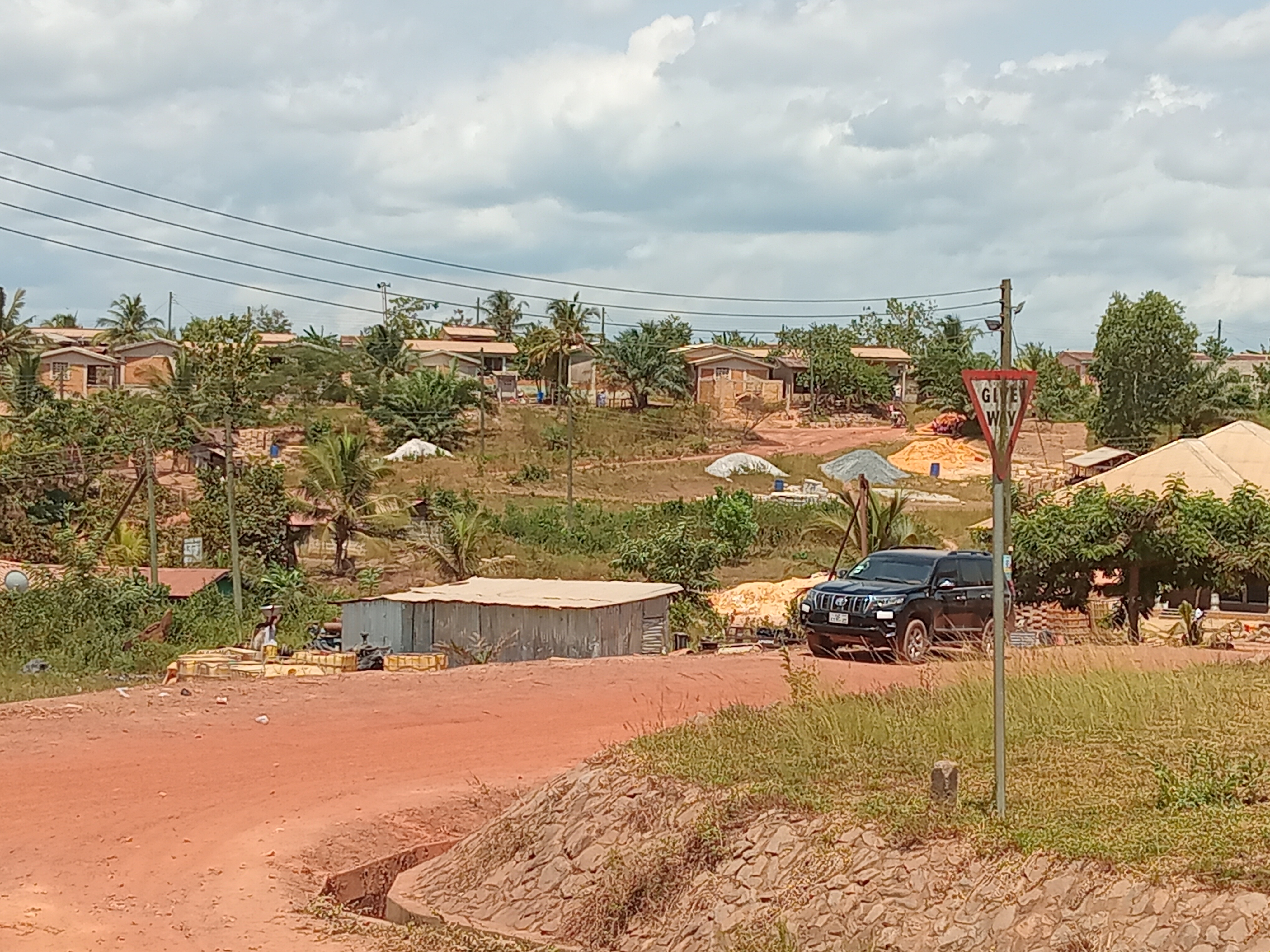
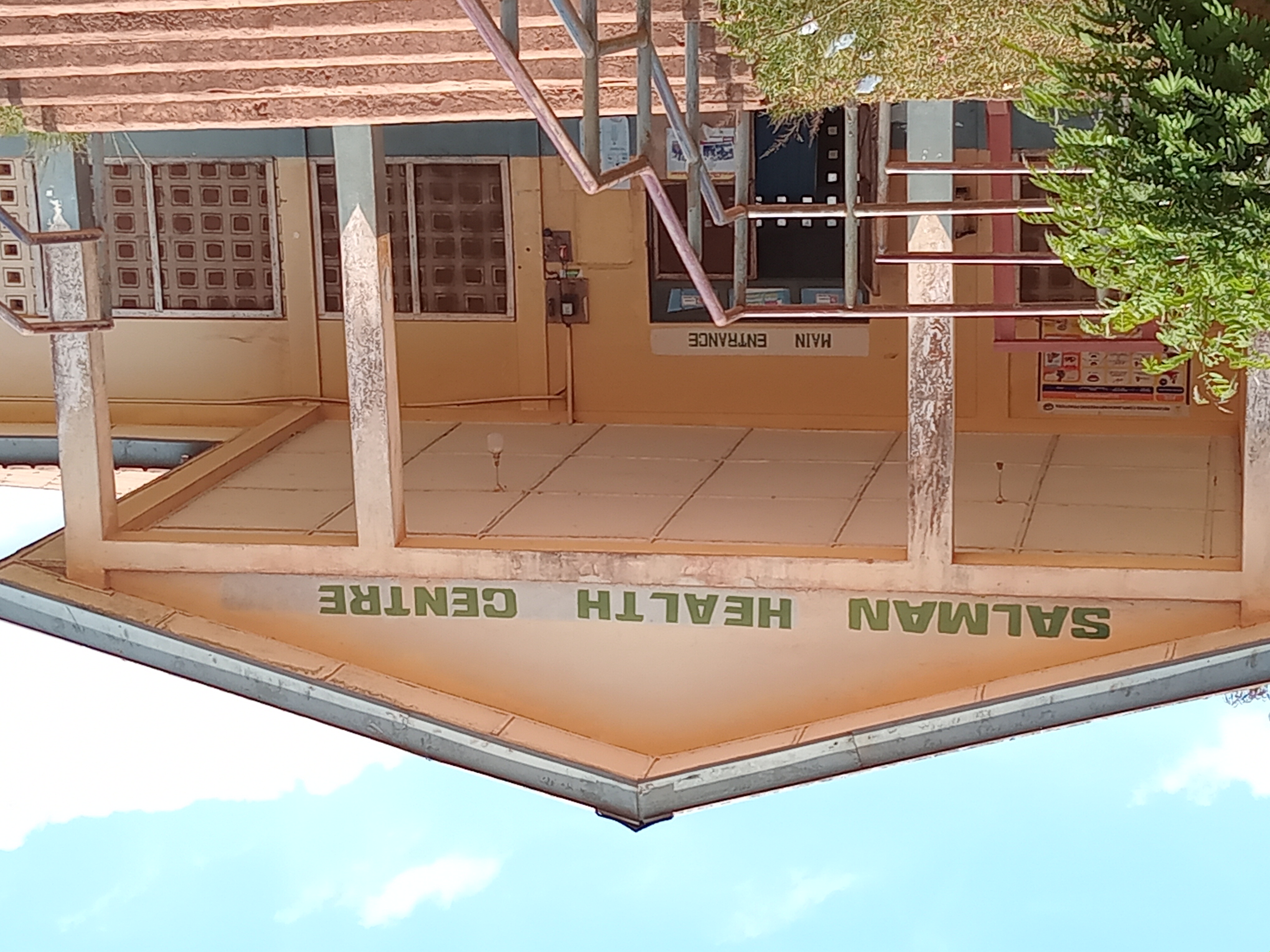
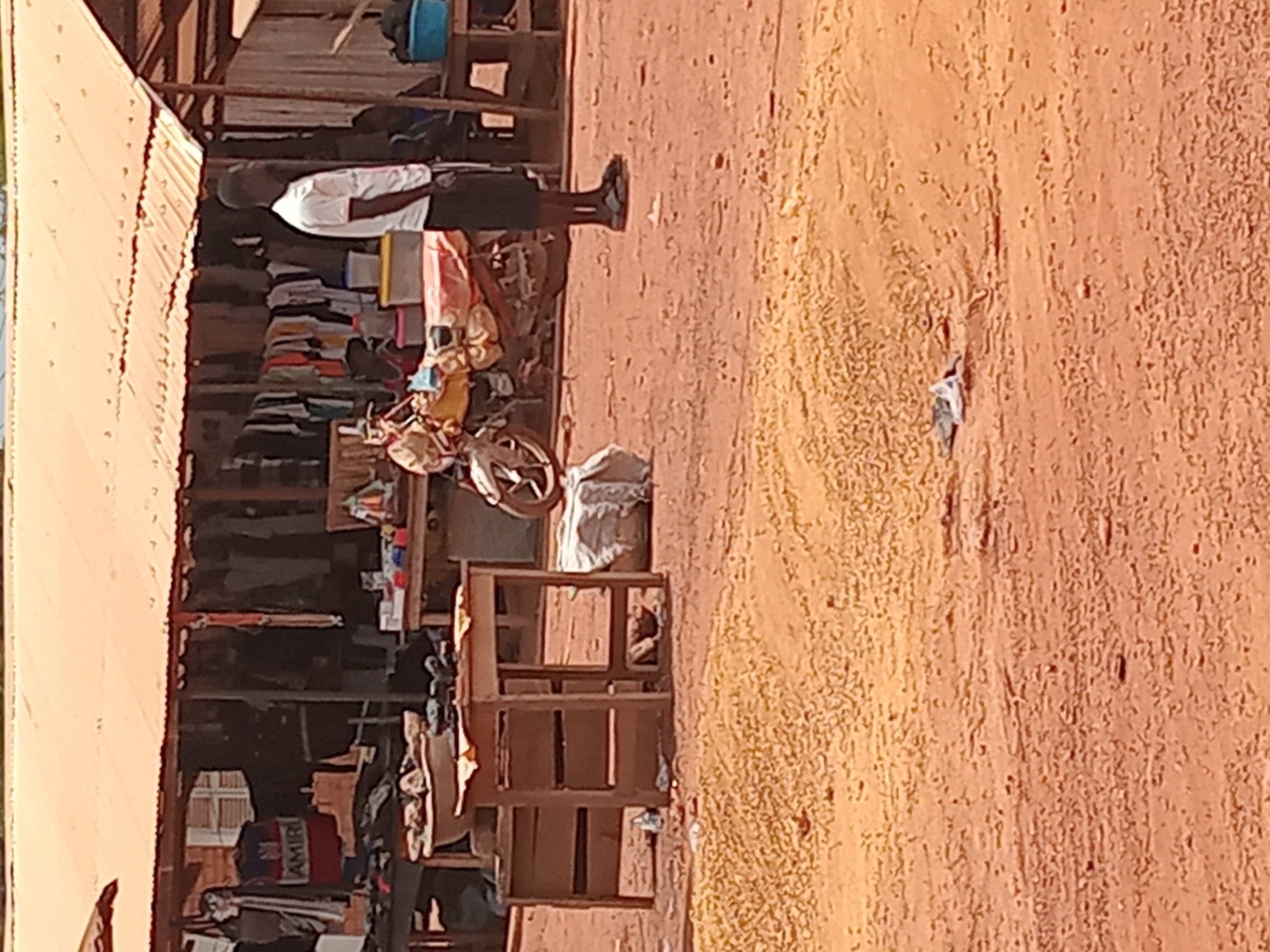
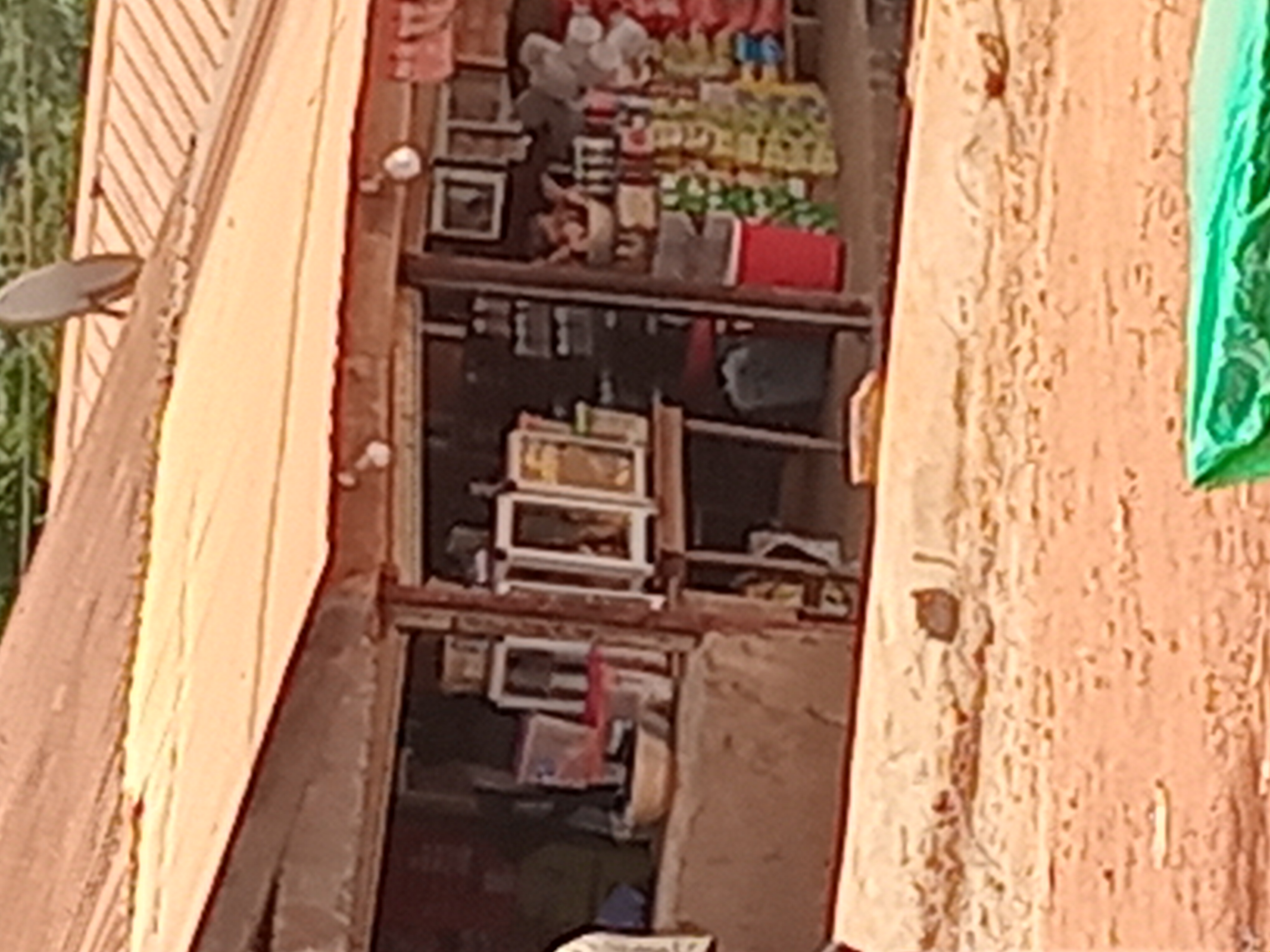
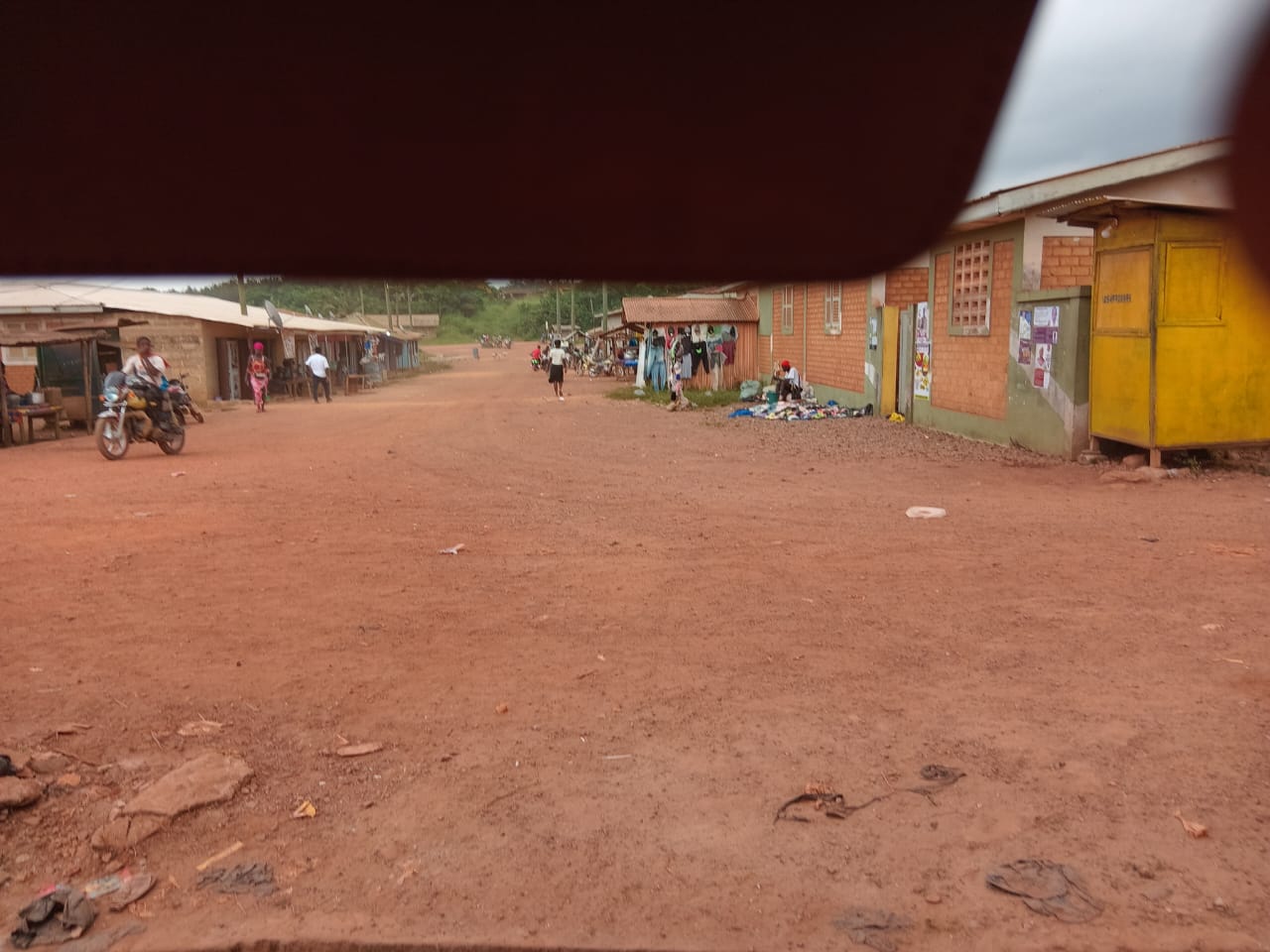
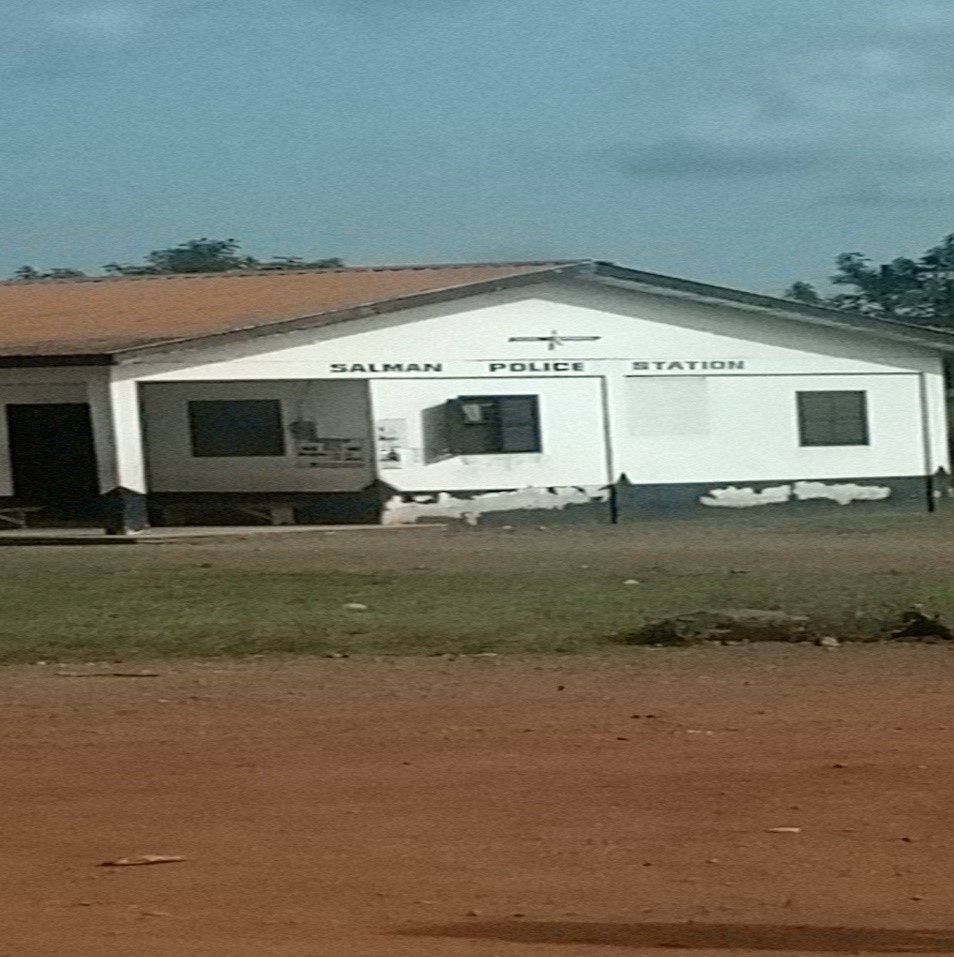
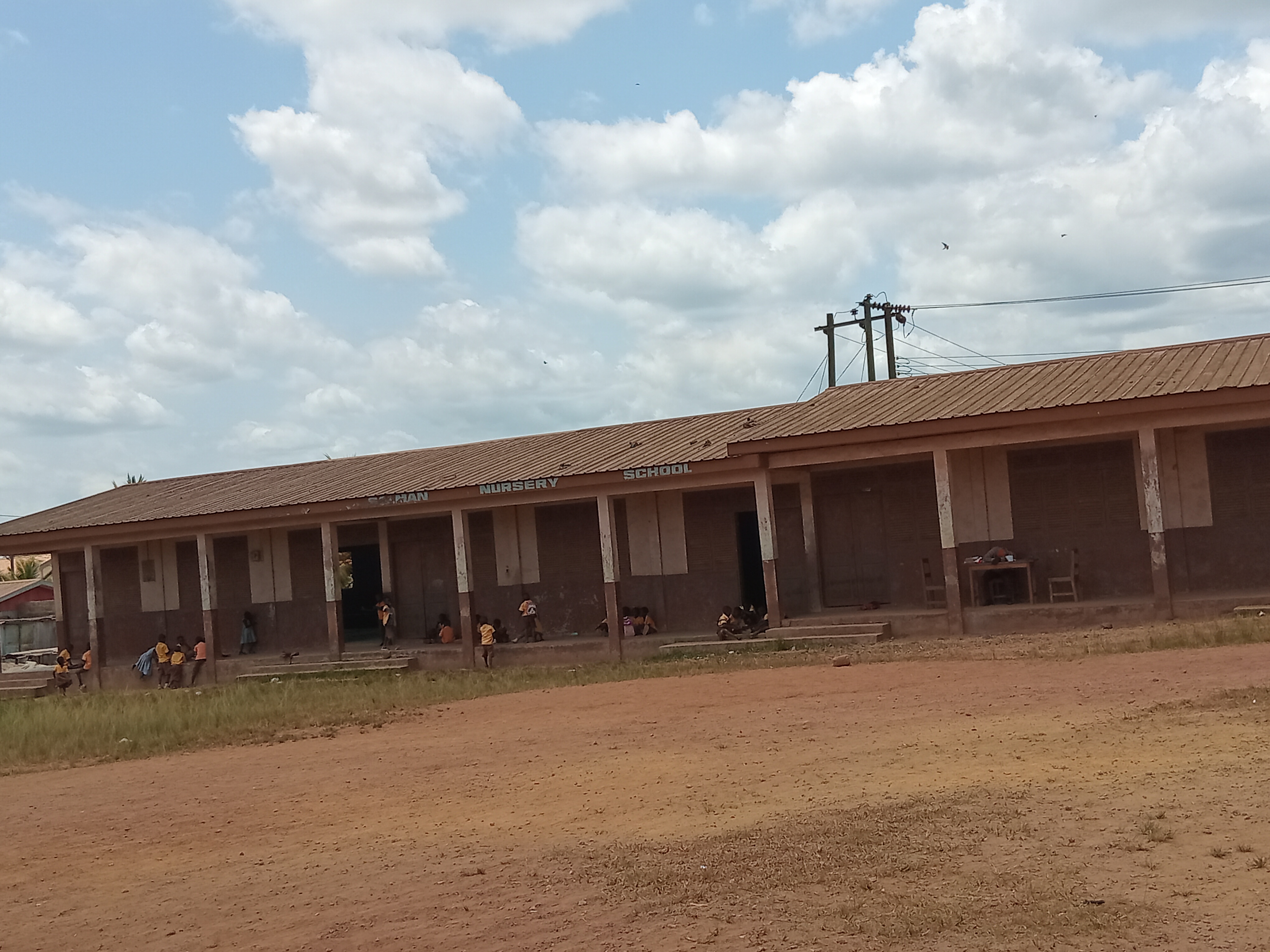
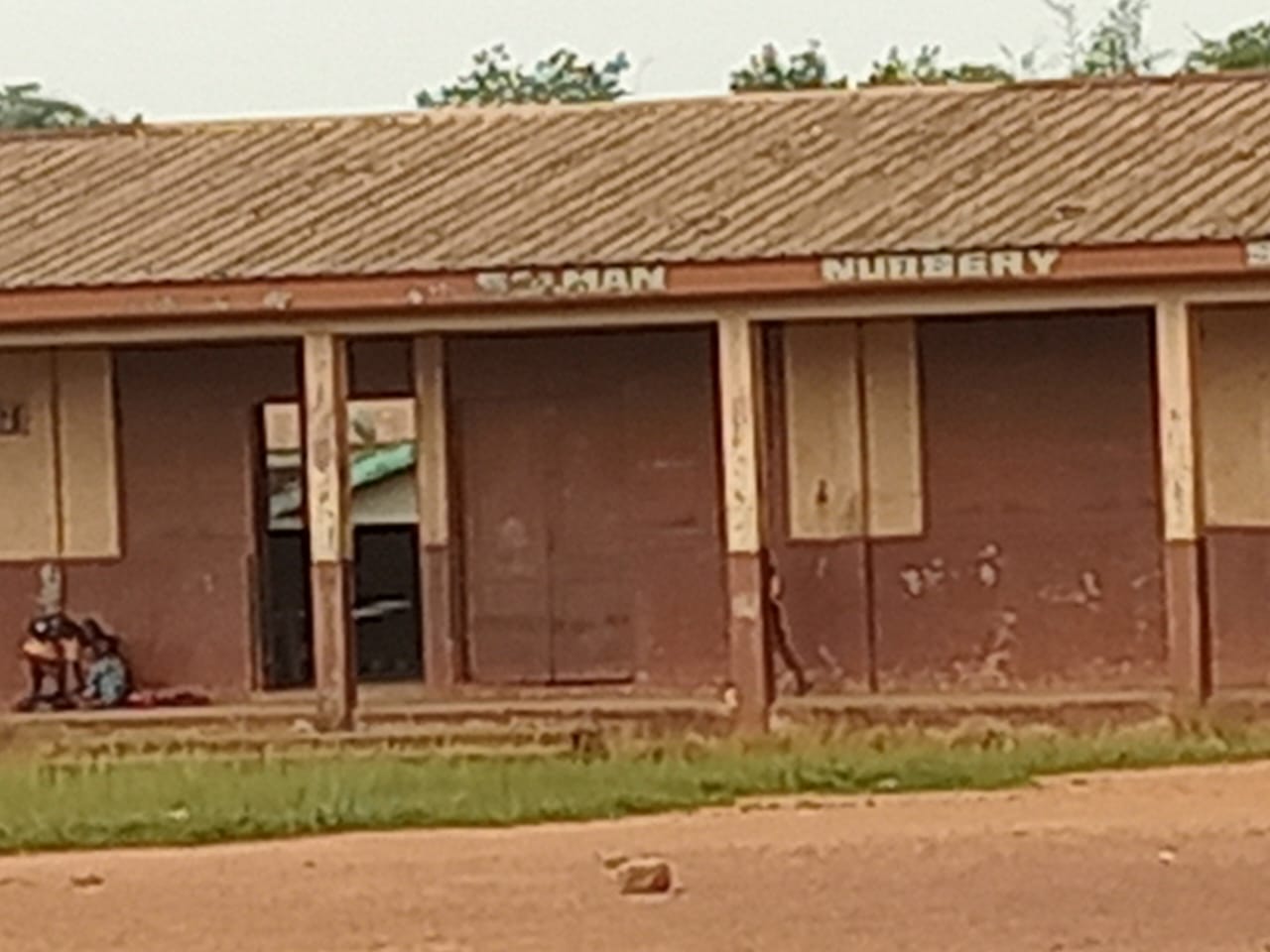
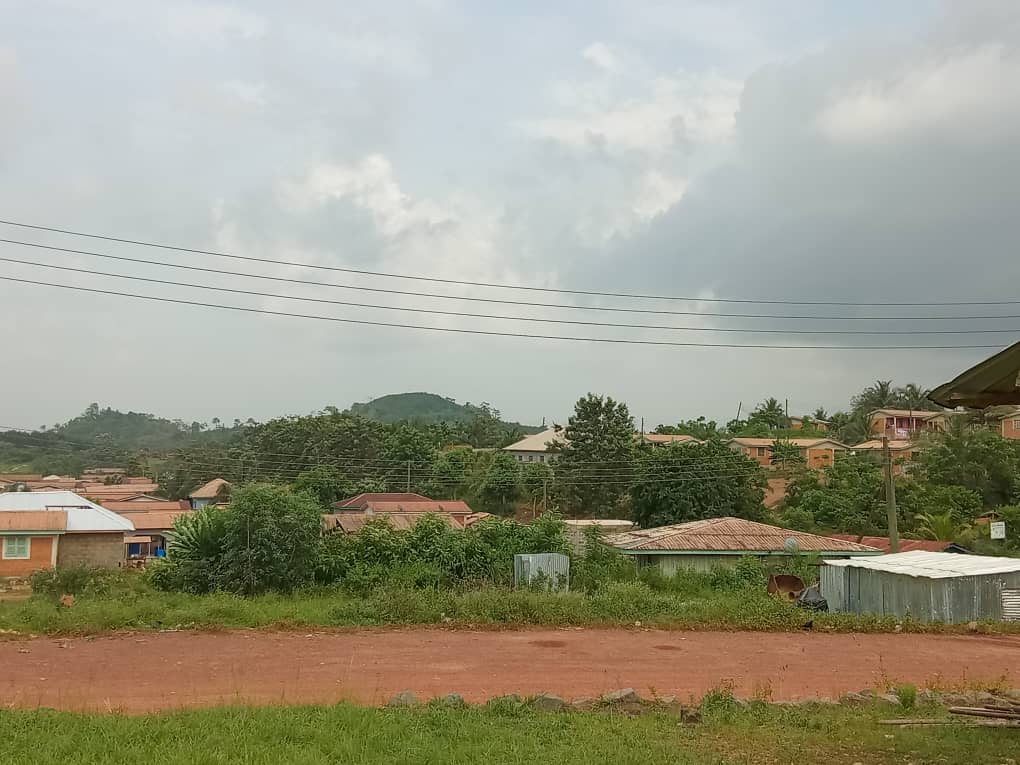
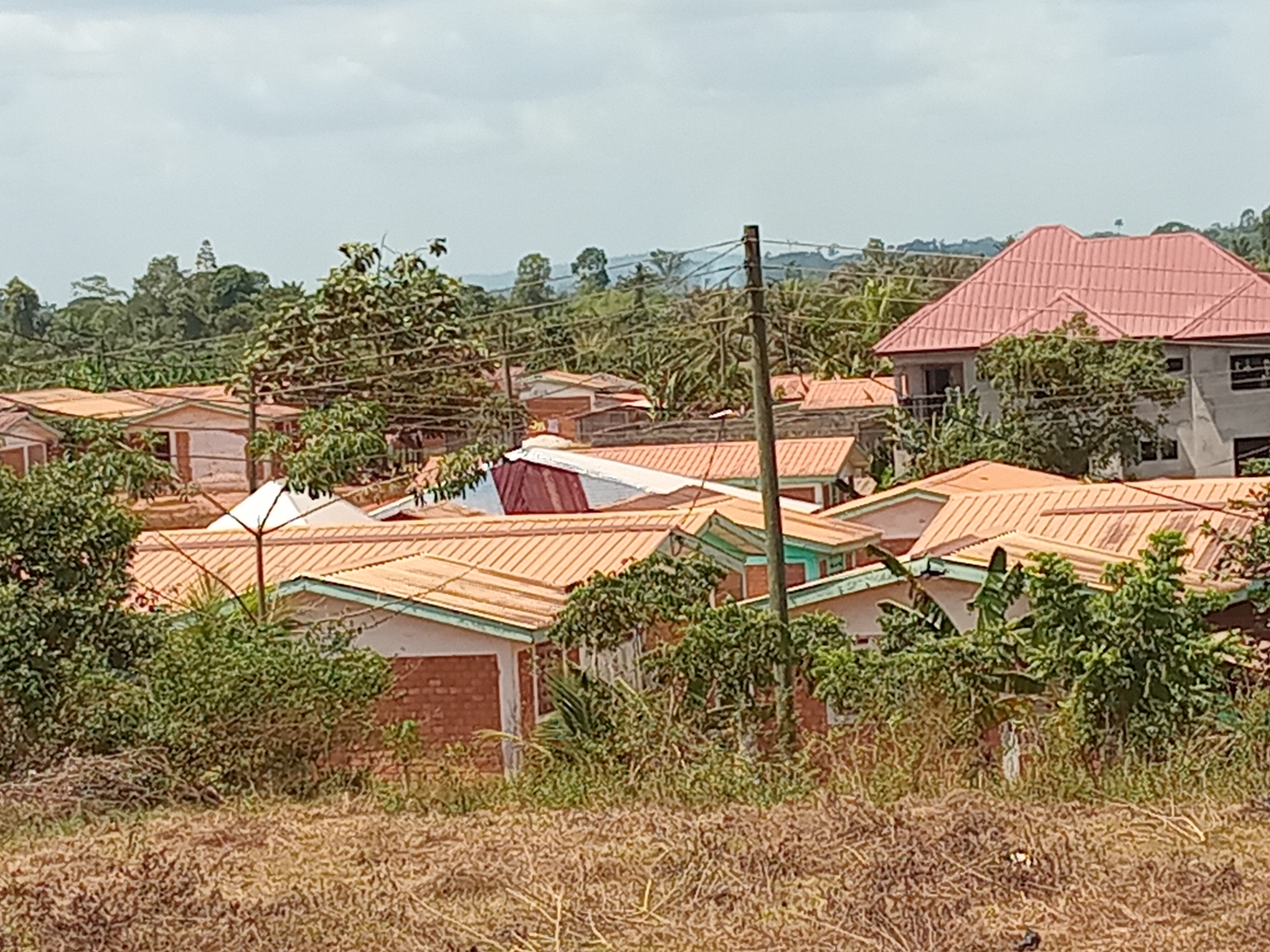
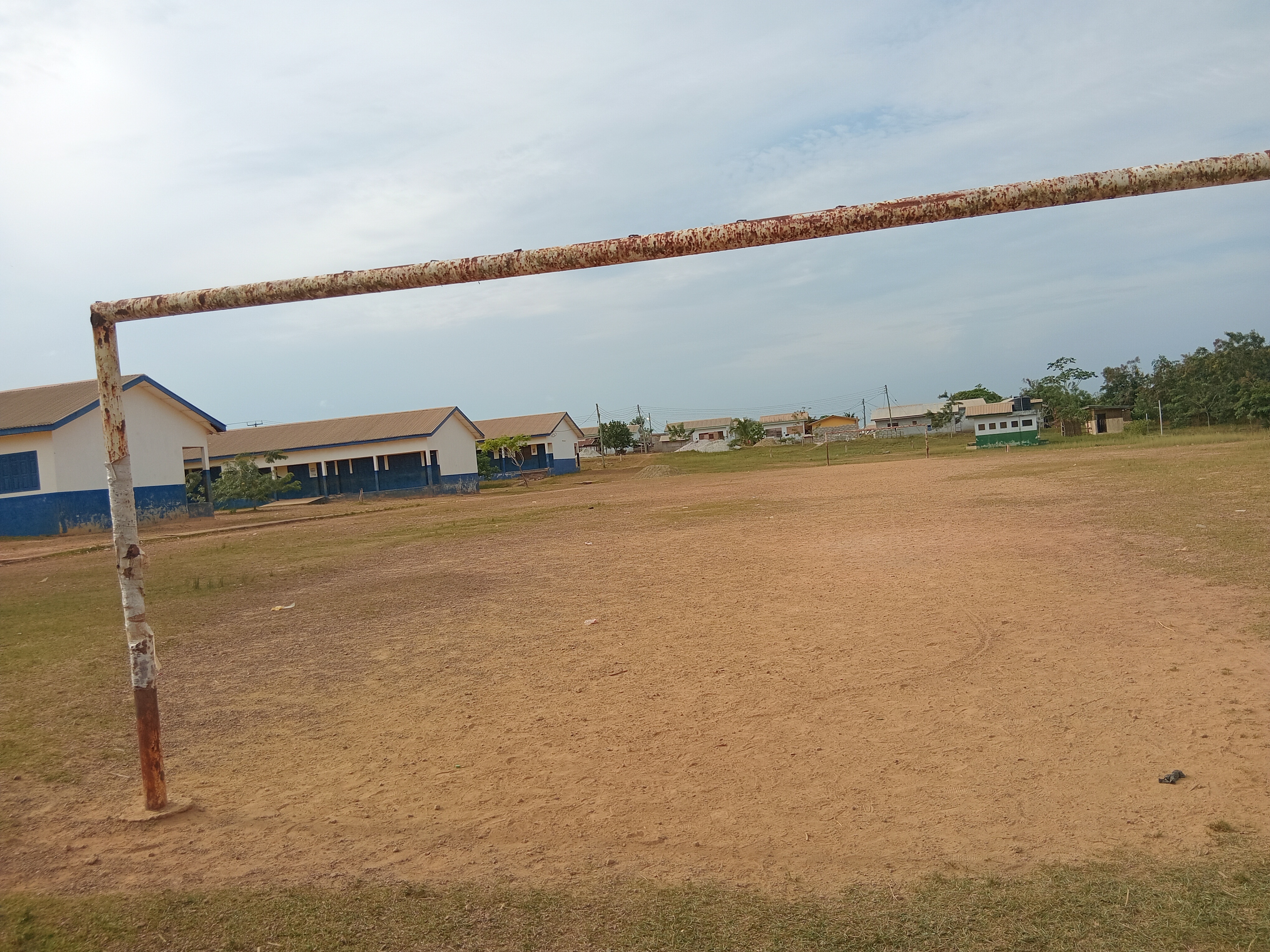
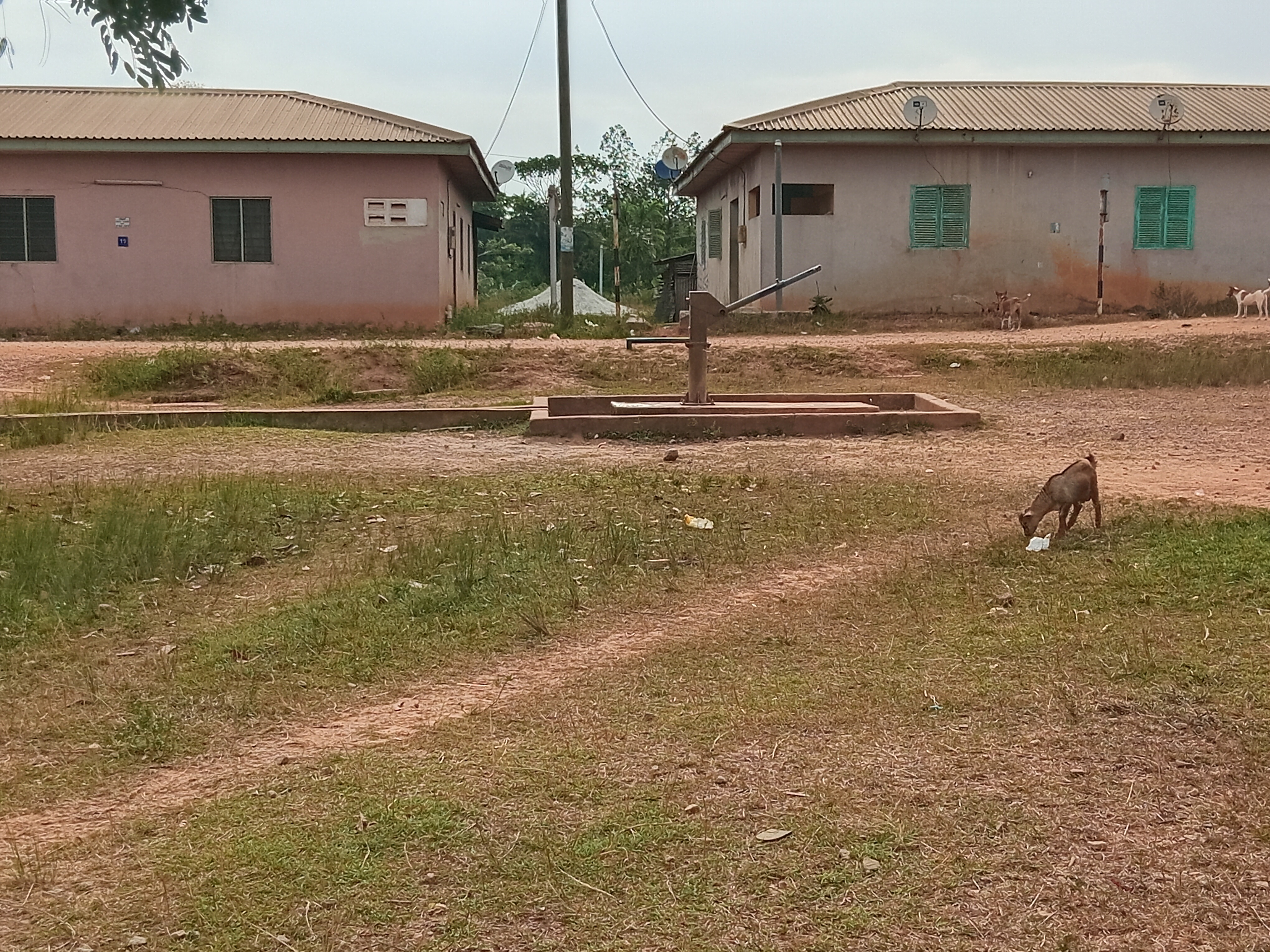
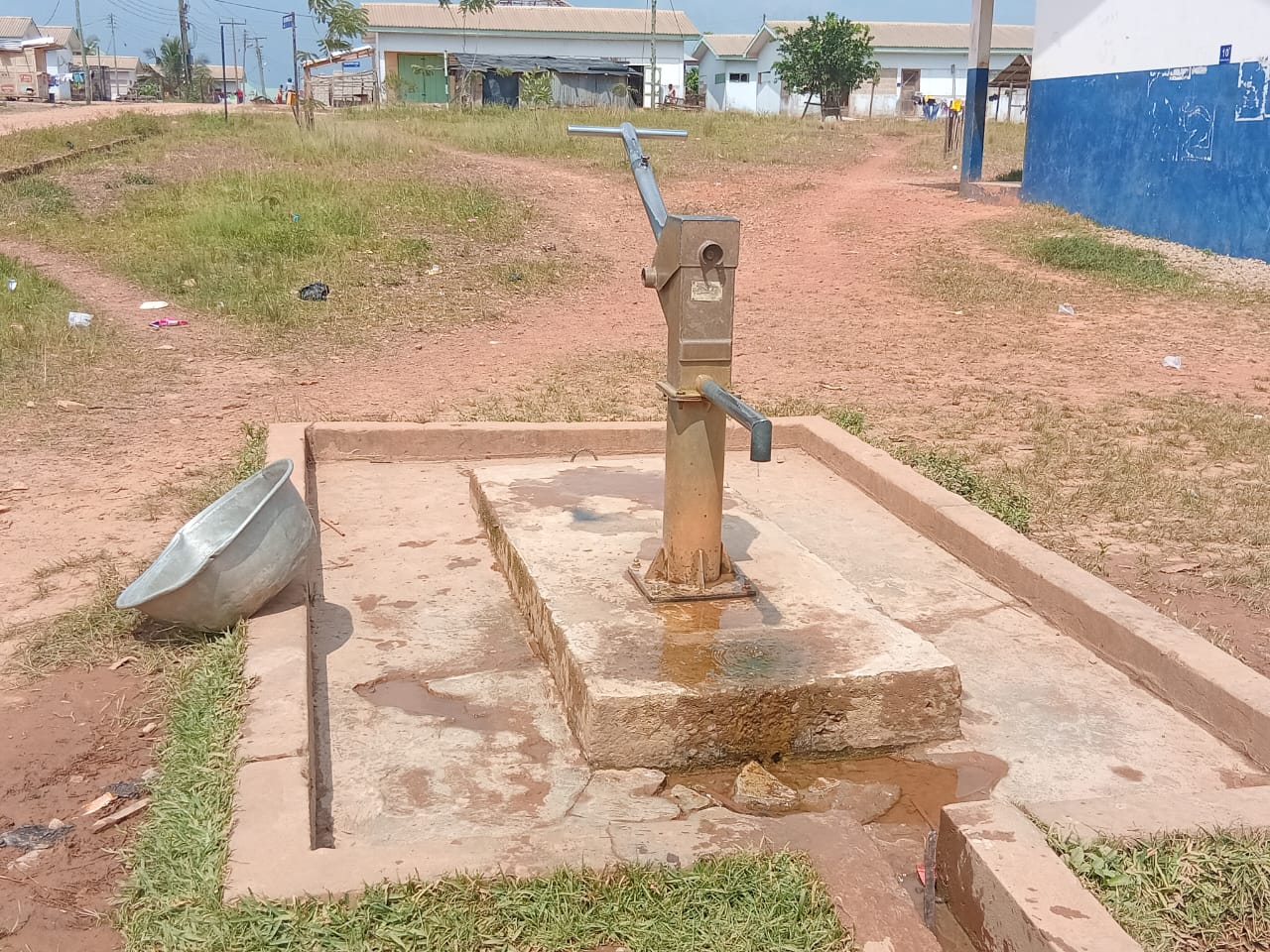
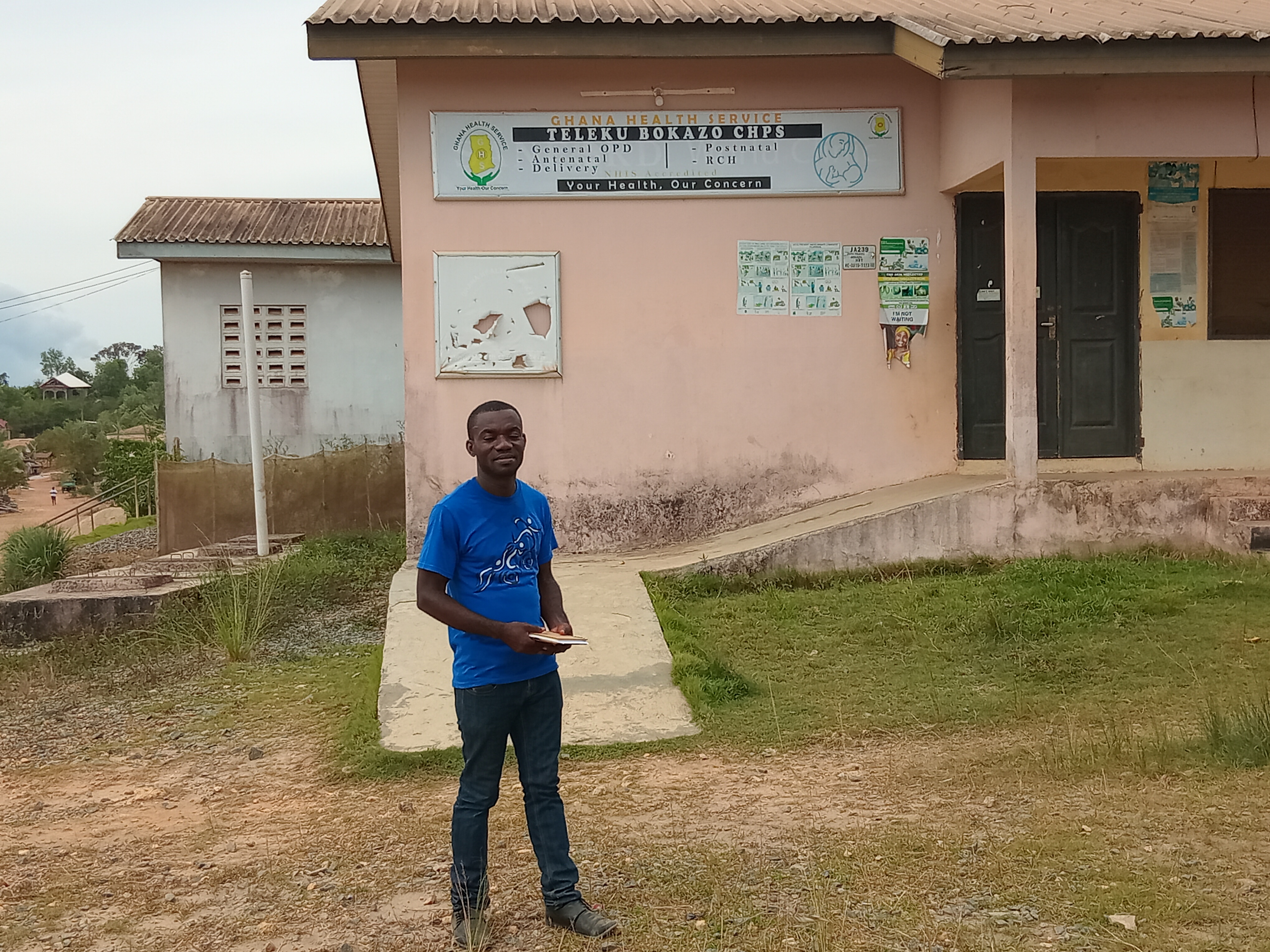
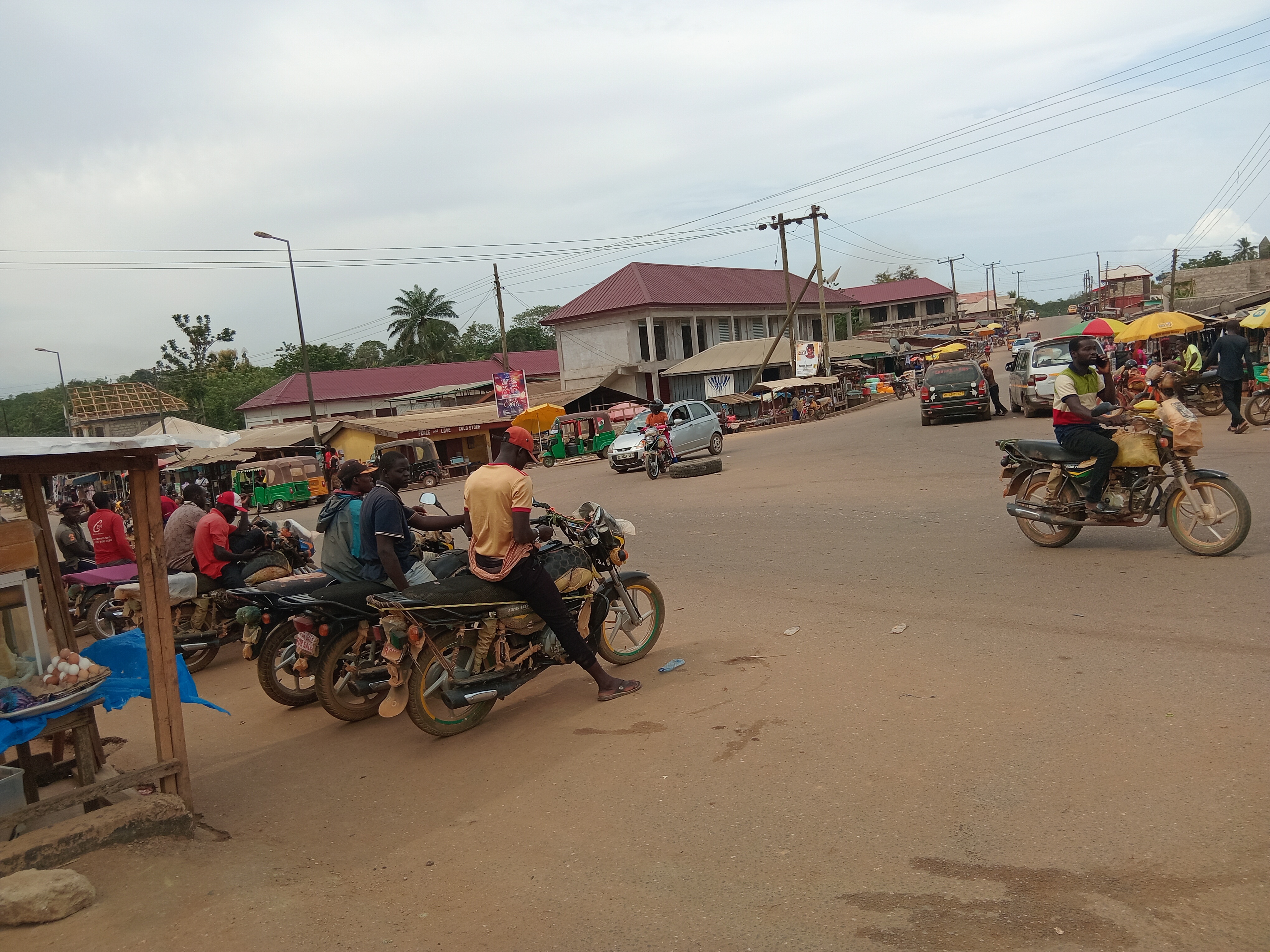
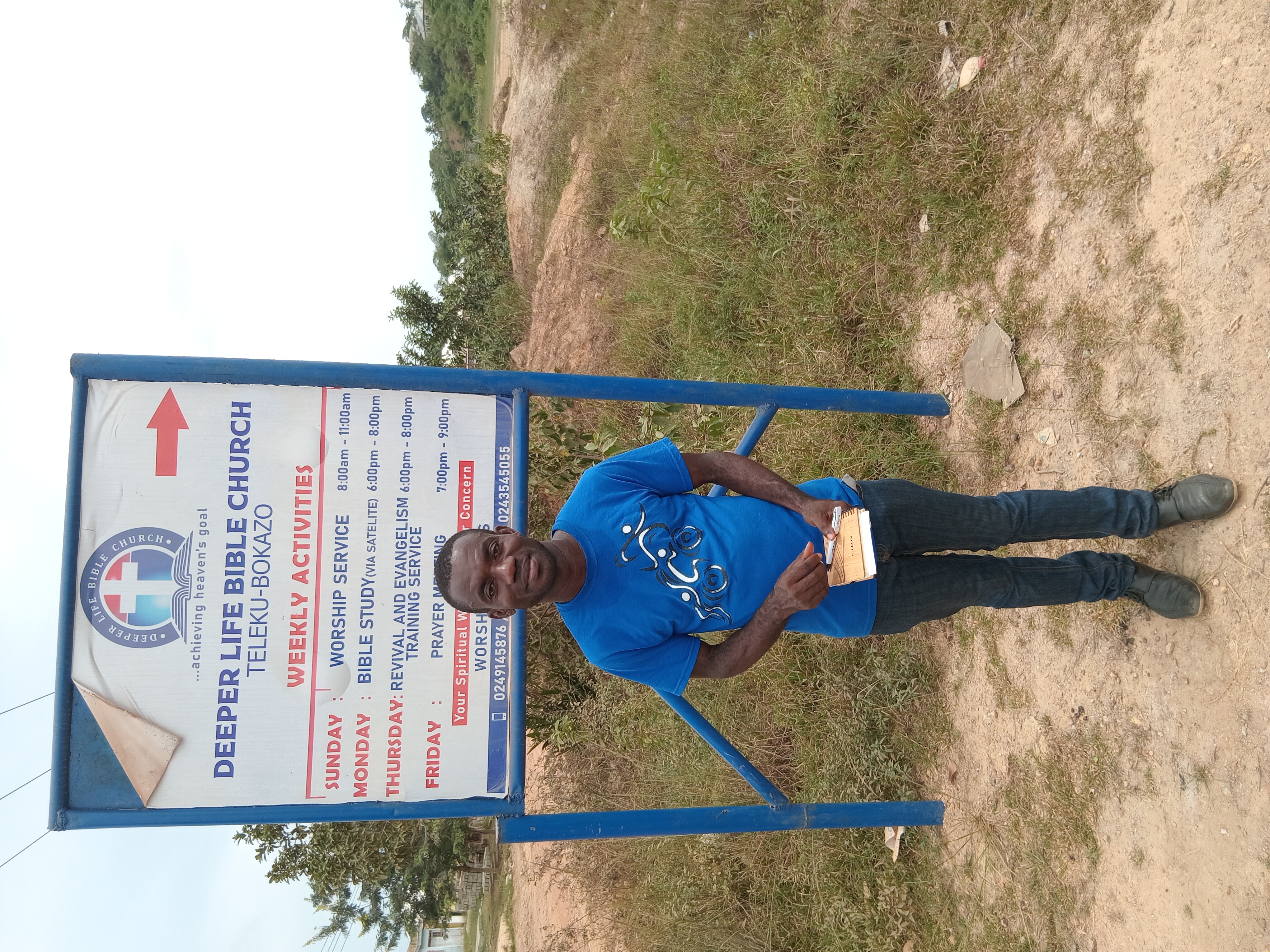
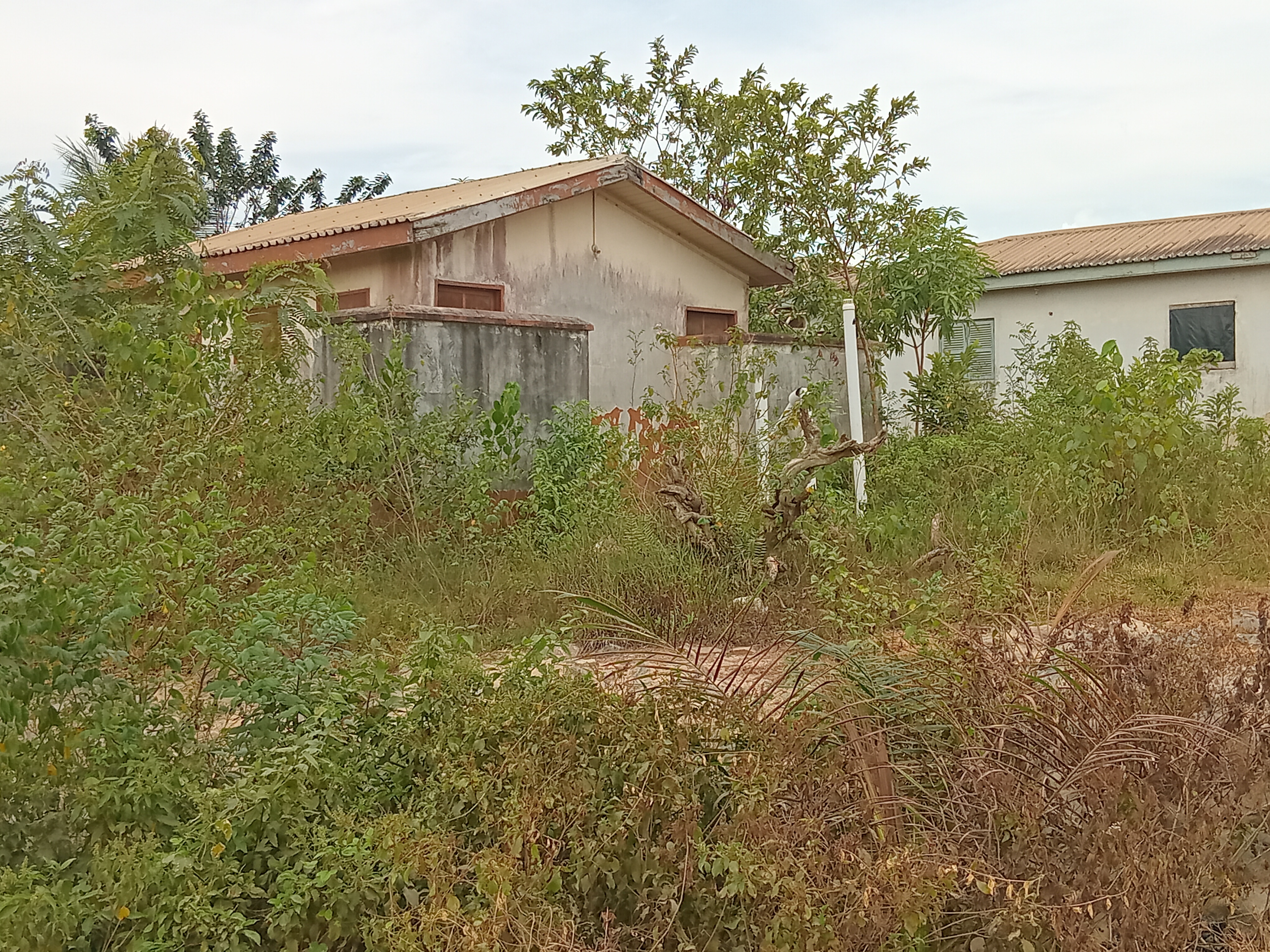
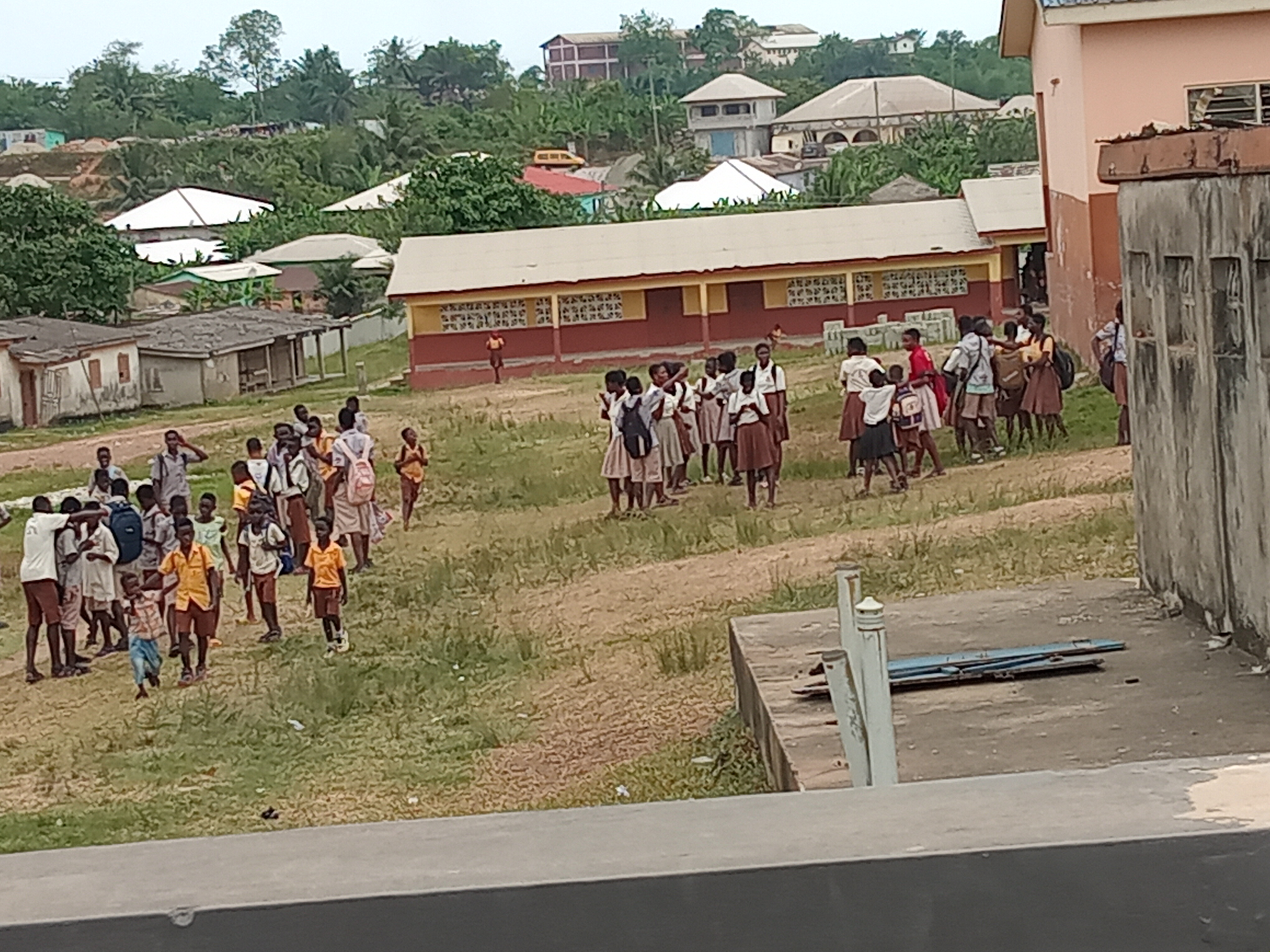
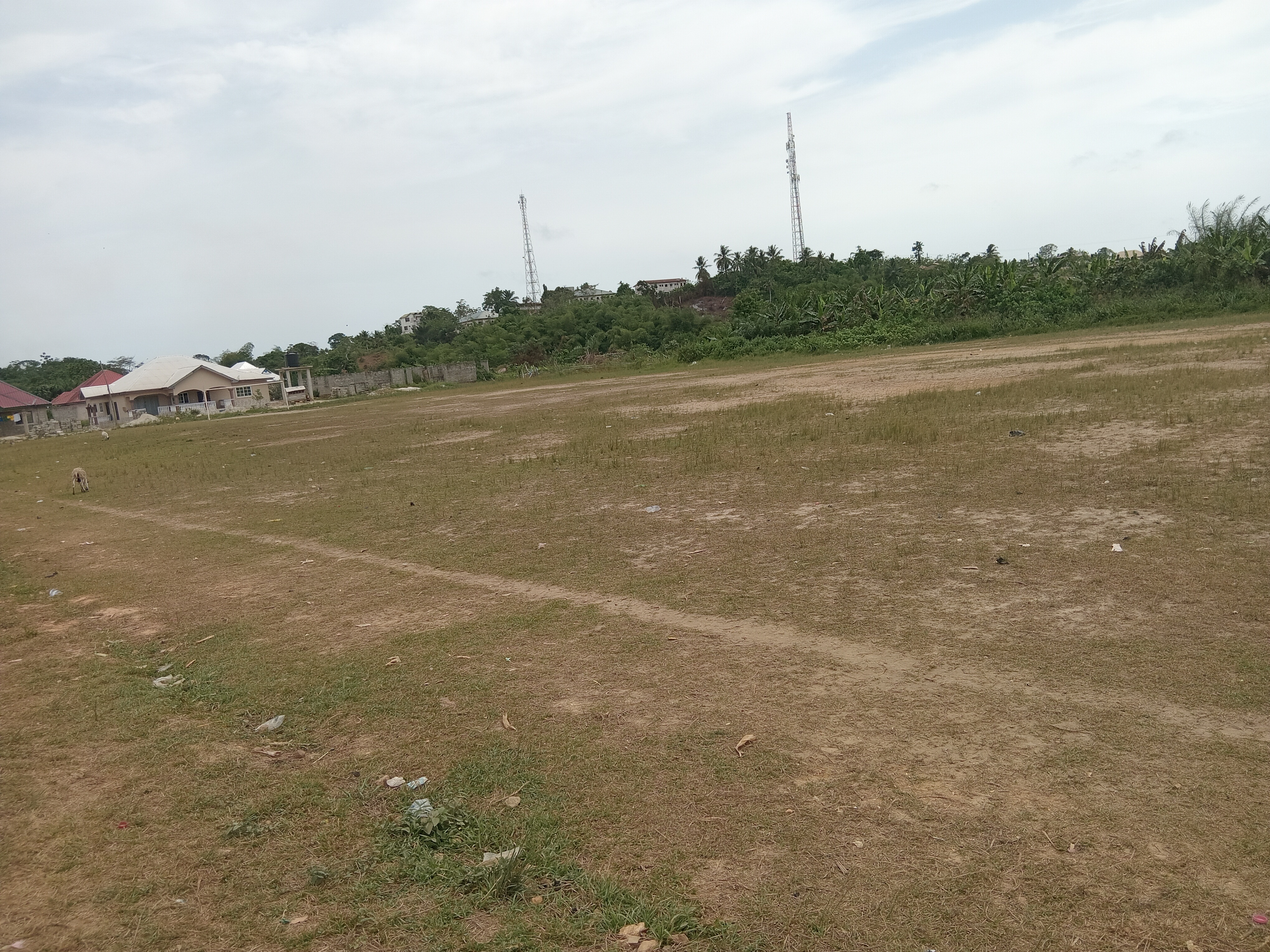
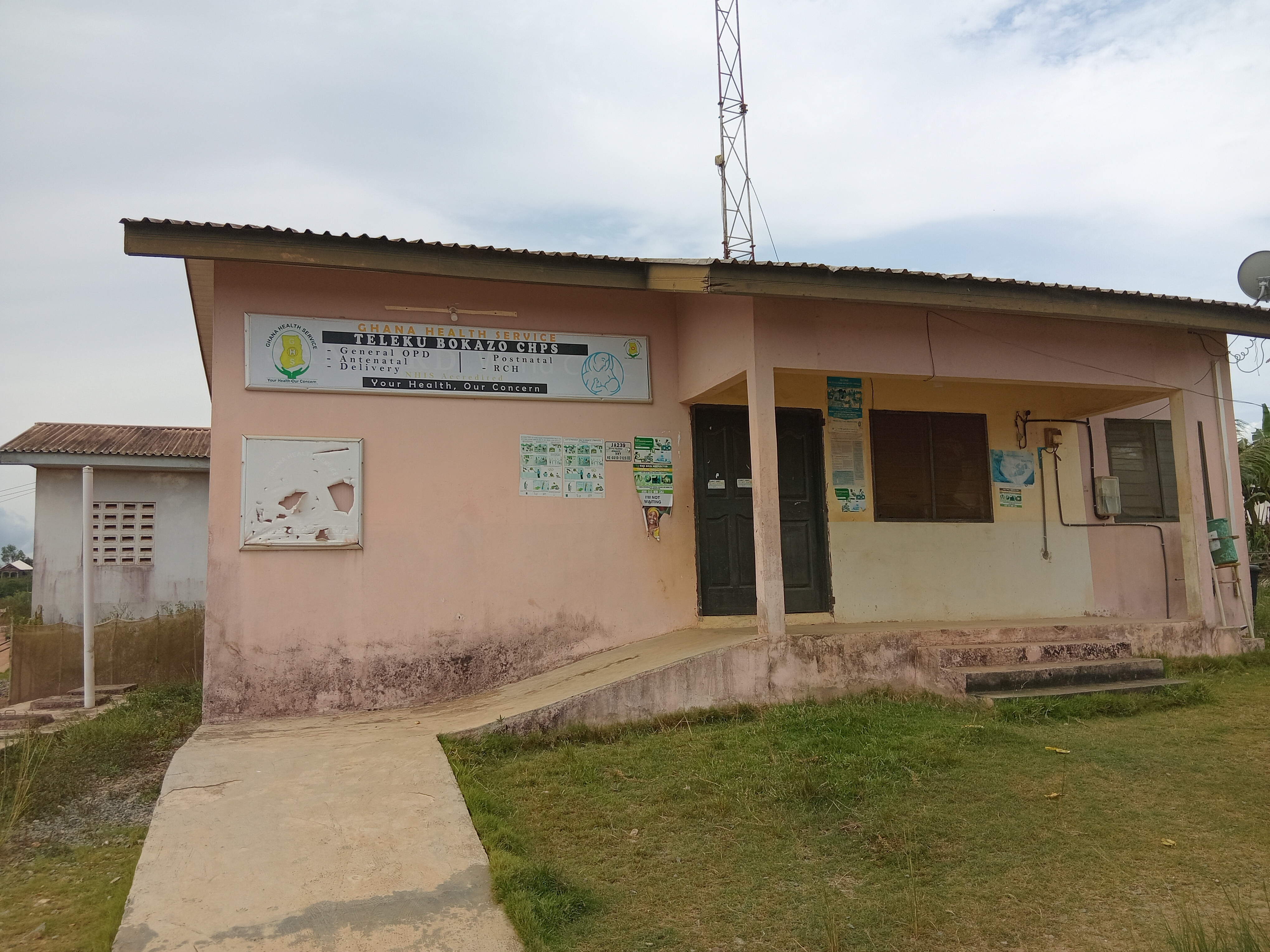
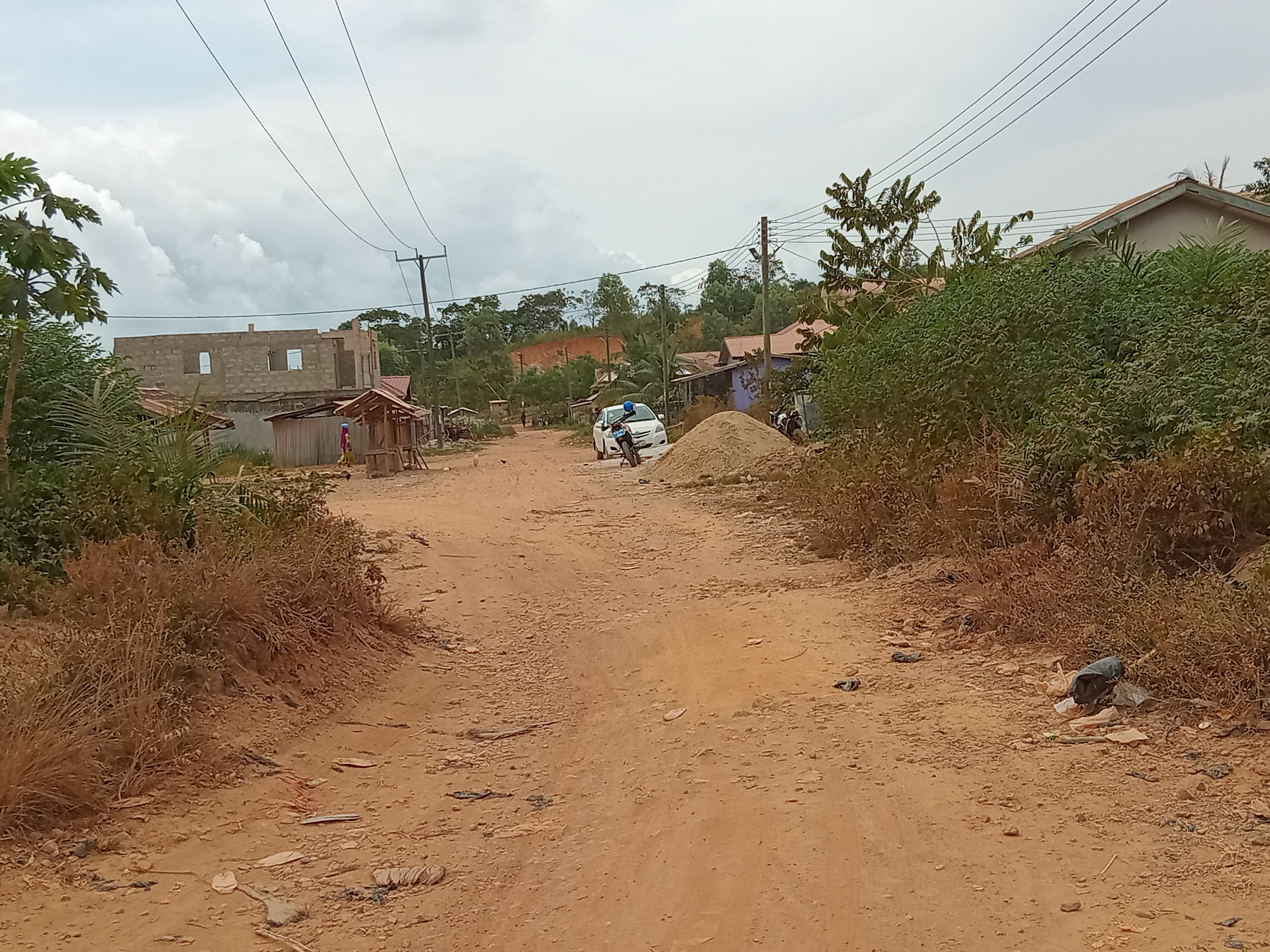
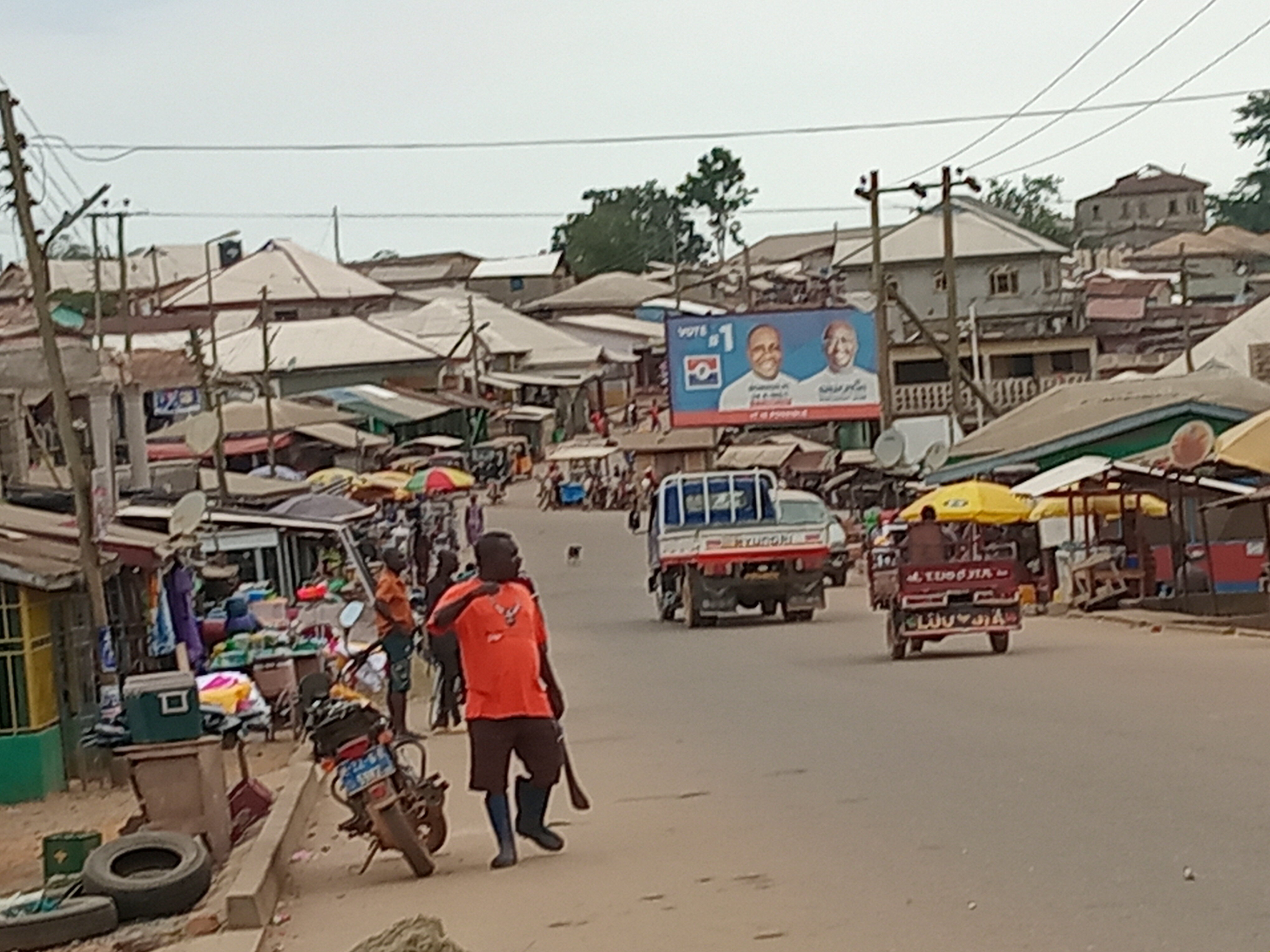
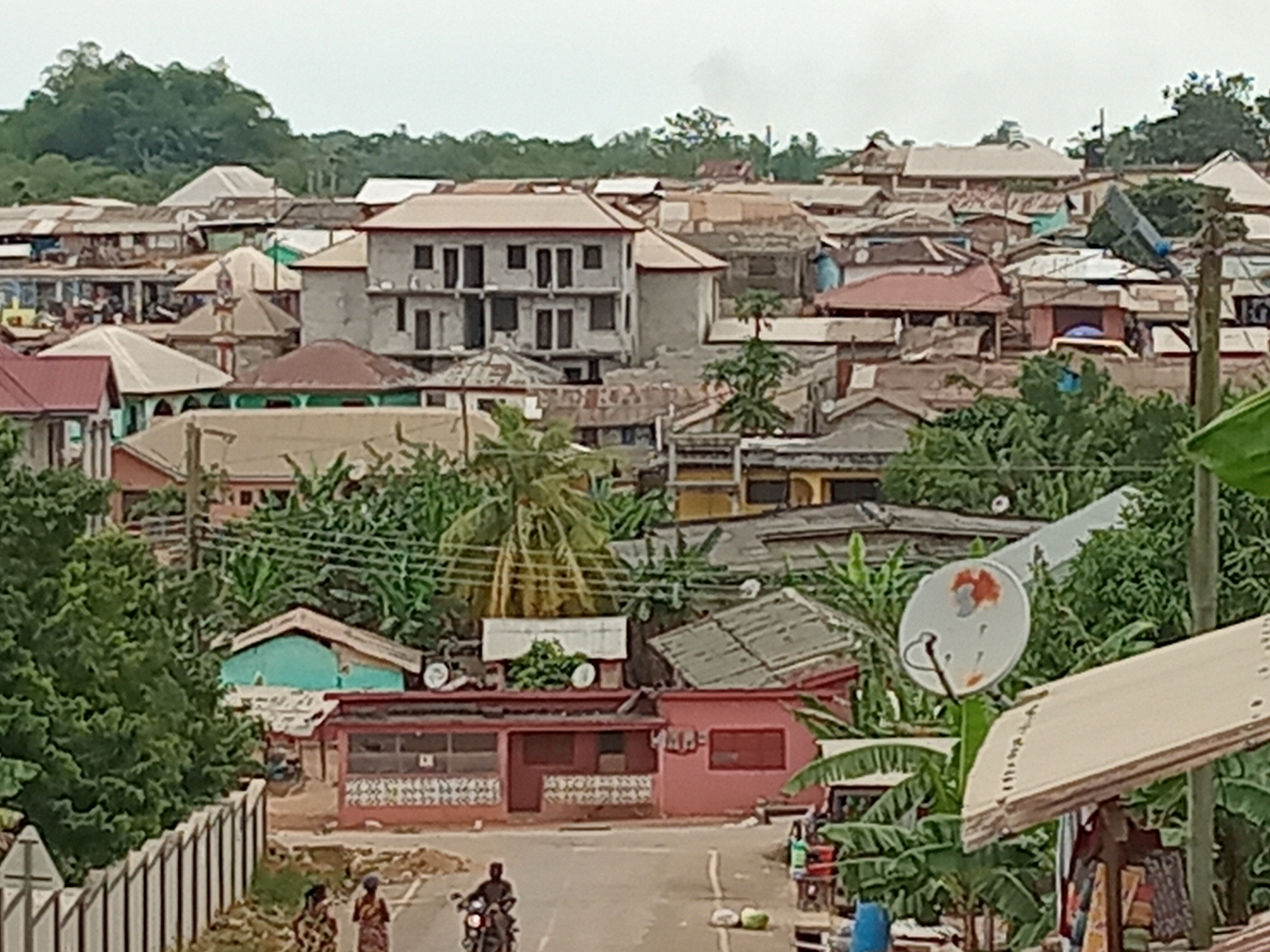
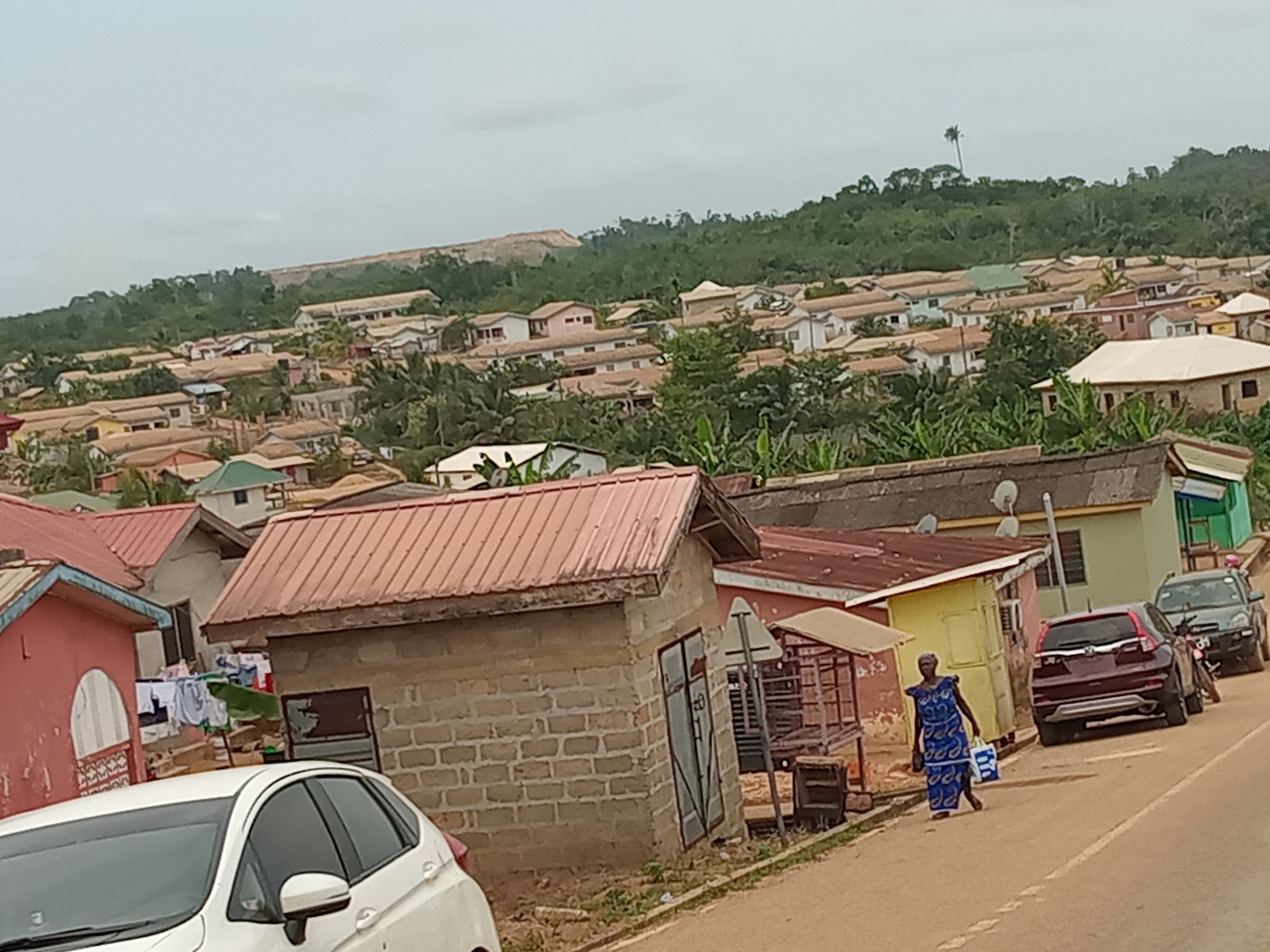
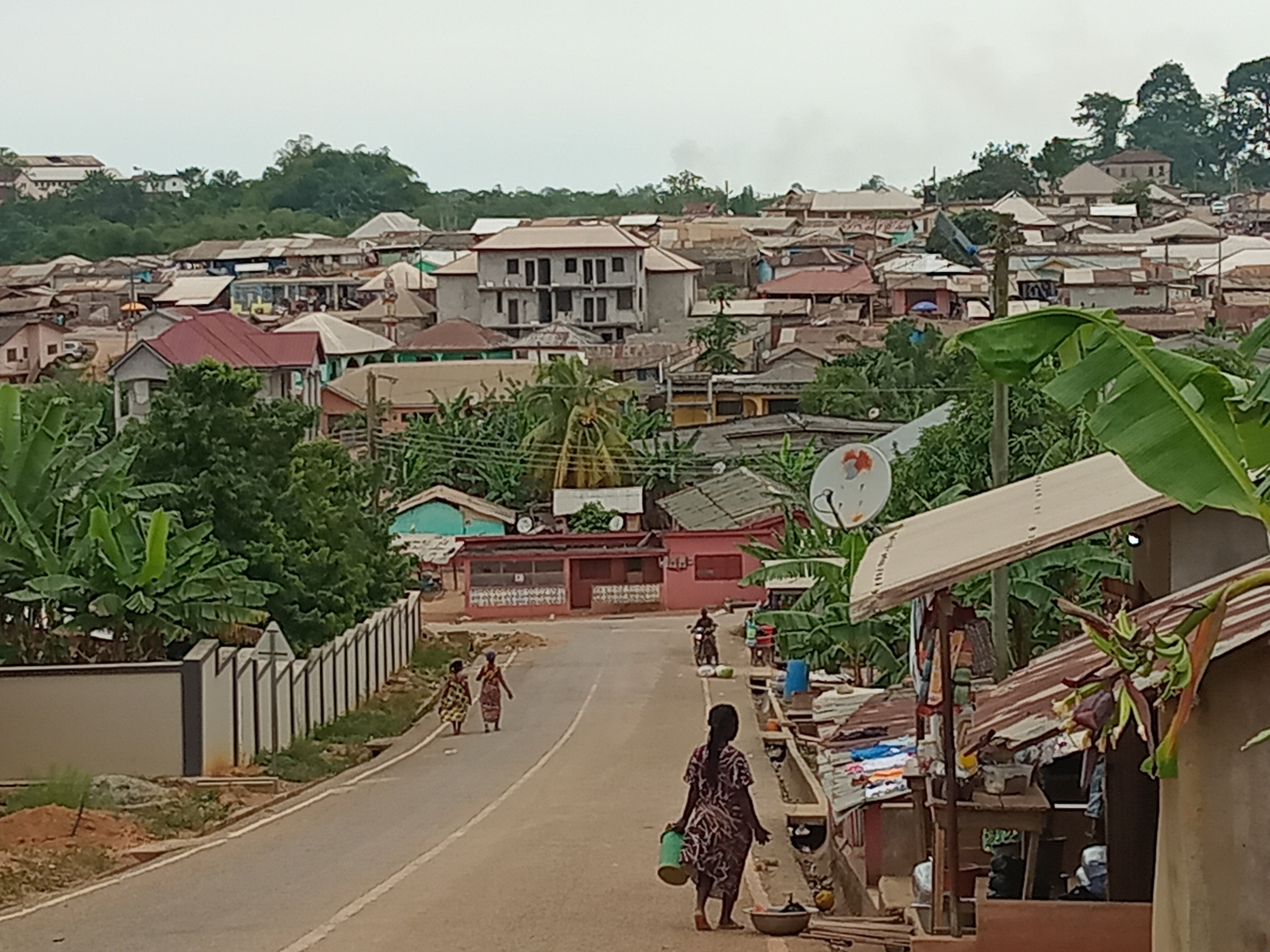
There is a dearth of knowledge about pre-displacement events, the processes leading to displacement, and post-displacement lives. As a contribution to understanding these processes, my doctoral research focuses on three communities-Salman and parts of Teleku-Bokazo and Nkroful in the Ellembelle district of Ghana’s Western Region, a region known for its long mining history and intense mining activities, with severe mining-related problems. The Ellembelle district is unique among its neighbours as it is the only district among them and it also hosts Ghana’s Oil and Gas hub, complicating environmental effects. There is limited literature on mining in this district compared to its neighbouring municipalities, according to the Environmental Protection Authority.
My research in these communities aims to accomplish the following objectives: 1. To examine how communities reacted to the pre-displacement news. 2. To investigate the processes and efforts deployed by these communities to resettle in their new environments. 3. To evaluate the social and economic effects of displacement on affected individuals.
Methodologically, the study utilises an Exploratory Sequential Mixed Methods Approach (Creswell & Creswell, 2023) beginning with qualitative data collection to inform the design of the quantitative phase. The qualitative phase currently ongoing involves key interviews with residents and Focus Group Discussions to capture their experiences regarding the phenomenon under study, as well as interviews with mining company officials and regulatory authorities.
Using multistage and purposive sampling methods, questionnaires will be administered to individuals. In research on mining-induced displacement and livelihood reorganization, combining qualitative and quantitative methods provides comprehensive insights.
Theoretically, the study utilises Michael Cernea’s Impoverishment Risk and Restructuring (IRR) Model(Cernea, 2021), a framework for understanding the risks and socioeconomic disruptions displaced persons face, and Feminist Political Ecology (FPE) (Salleh, 1997) to highlight how environmental changes and displacement processes affect men and women differently. Combined, these frameworks provide a comprehensive approach to analysing the phenomenon under study.
Research background :
Mining contributes to Ghana's and many nations’ socio economic development. The 2021 Ghana Statistical Service report indicates mining contributed 13.6 billion Ghana Cedis to the Ghanaian economy in 2019, accounting for 8.3% of GDP, and 11.8 billion Ghana Cedis in 2020, representing 7.5% of GDP. In 2021, the mining sector contributed 4.5% of the GDP, increasing to 7.6% in 2022. In 2019, the industry contributed $6.56 billion to Botswana's economy (Yager, 2023) and 4.4% of China’s GDP (China Statistical Yearbook, 2023).
Despite these benefits, mining activities have displaced many communities globally, leading to joblessness, homelessness, marginalization, food insecurity, loss of common lands and resources, increased health risks, social disarticulation, disruption of formal education, and loss of civil and human rights(Cernea, 2021).
The motivation for my doctoral research is that existing literature has largely focused on post-displacement effects (Botchwey & Yankey, 2023; Downing, 2002; Oware Twerefoo, 2021; Terminski, 2012; Kemp et al., 2017; Ofori et al., 2023), to mention but a few. I am motivated to explore pre-displacement events, processes and efforts deployed by affected people to resettle in their new communities and to do an assessment of post economic and social lives. This motivation aligns with the Frontiers of Belonging’s aim of strengthening an evidence-based foundation for more viable, sustainable, and locally informed refuge-seeking and hosting practices.
In doing this, I aim to accomplish the following objectives. To examine how communities reacted to the pre-displacement news. 2. To investigate the processes and efforts deployed by these communities to resettle in their new environments. 3. To evaluate the social and economic effects of displacement on affected individuals.
The study also provides insights and highlights innovations in how displaced populations reorganize their lives, particularly through informal economic activities. This research contributes to SDG 11, fostering indigenous ideas for safe, resilient, and sustainable environments and thus helping to strengthen institutional partnerships by facilitating knowledge exchange among researchers and partner institutions. I believe that this study brings innovative ideas into academia and contributes to policy framing.
Research methods :
- Sequential exploratory mixed methods
- Quantitative phase is being collected first to inform the design of the Quantitative phase
- The Qualitative phase includes Interviews with affected individuals. These individuals include people who lived in their previous communities and are living in the new communities.
- It also involves key informant interviews with community and group leaders, mining officials and regulatory authorities.
- Focus Group Discussions will be organised to explore collective perspectives on displacement and livelihood reorganisation.
- These methods ais to allow respondents to share their experiences on displacement.
- Cross talks involving community engagement with mining officials. This is occasionally organised to address grievances. This researcher has made the necessary arrangements to participate in these engagements.
- Thematic analysis to understand recurrent themes
- The Nvivo Software would be used to analyse the qualitative data
- The Quantitative phase includes the administration of survey to Households using multistage sampling by stratifying each community with demarcated streets.
- Households would be sampled from each of these demarcations and individuals sampled from these households.
- A total of 282 households will be sampled from the three communities.
- Sample size determination

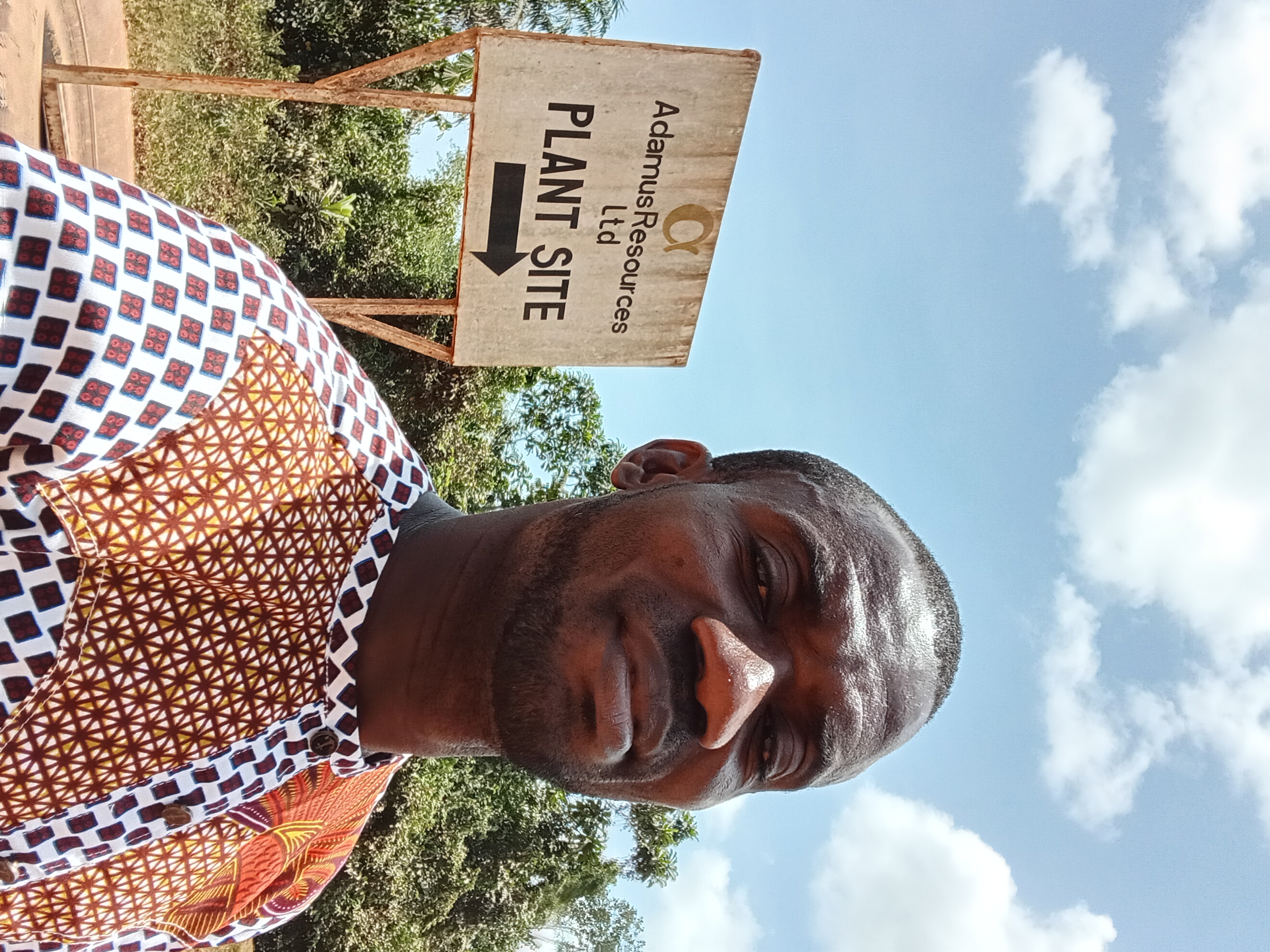
The sample size for the study is determined as follows: According to a document made available to this researcher by Adamus Resources, Salman and parts of Teleku-Bokazo and Nkroful that were displaced have 478, 304 and 173 households respectively, totalling 955. Out of this number, 282 households would be sampled for the study. This (282) was arrived at using the sampling formula by Miller and Brewer (2003). n = N/ [1+ (a2)] N, Where n = sample size, N = Total population in the two communities, a = Margin of error = 0.05.
Thus N = 955.
Therefore,
n = N/ [1+ (a2)] N,
n = 955/ [1+ (0.05)2] 955
n = 955/ [1+0.0025]955
n = 955/ [1+2.3875]
n = 955/ 3.3875
n = 281.9 = 282
Therefore, 282 households would be sampled for the Quantitative phase of the study. In percentage terms, Salman accounts for 50%, Teleku-Bokazo 32%, and Nkroful 18% respectively. These proportions will guide the sampling of households from each community, resulting in 141 from Salman, 90 from Teleku-Bokazo, and 51 from Nkroful. Thus, a proportionate-to-size sampling technique would be employed to ensure fair representation across the communities. These are either the household heads or their representatives.
-
- The appropriate analytical tools would be used to analyse the Quantitative data
-
Literature review
This study seeks to examine the impact of displacement on mining-affected communities, with a specific focus on Salman, Teleku-Bokazo, and Nkroful. It begins by highlighting the contributions of mining to economic development, followed by an in-depth discussion of the effects of mining-induced displacement on populations across global, continental, and regional contexts, ultimately narrowing the focus to communities in Ghana. The literature reviewed provides a brief history of mining in Ghana and traces the evolution of mining legislation to the present day, offering readers a contextual foundation for understanding the phenomenon under investigation. Additionally, the review engages with scholarship on adaptation and livelihood reorganization in the aftermath of displacement. Given that displacement affects men and women differently, particular attention is paid to the gendered dimensions of this experience. While existing studies have predominantly focused on post-displacement livelihoods, this research aims to explore the experiences of affected individuals before displacement, the processes they undergo to resettle in new communities, and how these experiences shape their post-displacement lives.
Primary references/citations:
- Botchwey, George, and Osei Yankey. 2023. Small-Scale Mining, Environment and Livelihoods: Perspectives from Mining Communities in Ghana. Vol. 2.
- Cernea, Michael. 2021. And Reconstruction Model for Resettling Displaced Populations.
- Cernea, Michael M. 1997. The Risks and Reconstruction Model for Resettling Displaced Populations. Washington, DC: World Bank.
- Creswell, John W., and J. David Creswell. 2023. Research Design: Qualitative, Quantitative, and Mixed Methods Approaches. 5th ed. Thousand Oaks, CA: Sage Publications.
- Downing, Theodore E. 2002. Avoiding New Poverty: Mining-Induced Displacement and Resettlement.
- Ghana Statistical Service. 2021.
- National Bureau of Statistics of China. 2023. China Statistical Yearbook 2023. http://www.stats.gov.cn/english/.
- Oware Twerefoo, Prince. 2021. “Mining-Induced Displacement and Resettlement Policies and Local People’s Livelihoods in Ghana.” Development in Practice 31 (6): 816–827. https://doi.org/10.1080/09614524.2020.1867065.
- Peters, Winfried. 2013. History of Gold Mining in Ghana. Edited by Andreas Peters.
- Salleh, Ariel. 1997. Ecofeminism as Politics: Nature, Marx, and the Postmodern. London: Zed Books.
- Terminski, Bogumil. 2012. “Mining-Induced Displacement and Resettlement: Social Problem and Human Rights Issue (A Global Perspective).” SSRN Electronic Journal. https://doi.org/10.2139/ssrn.2028490.
- Yager, Thomas R. 2023. The Mineral Industry of Botswana.
Project Gallery