The internally displaced women from the Anglophone crisis: A dynamic communication system for the image of the municipality of Douala IV
Abstract :
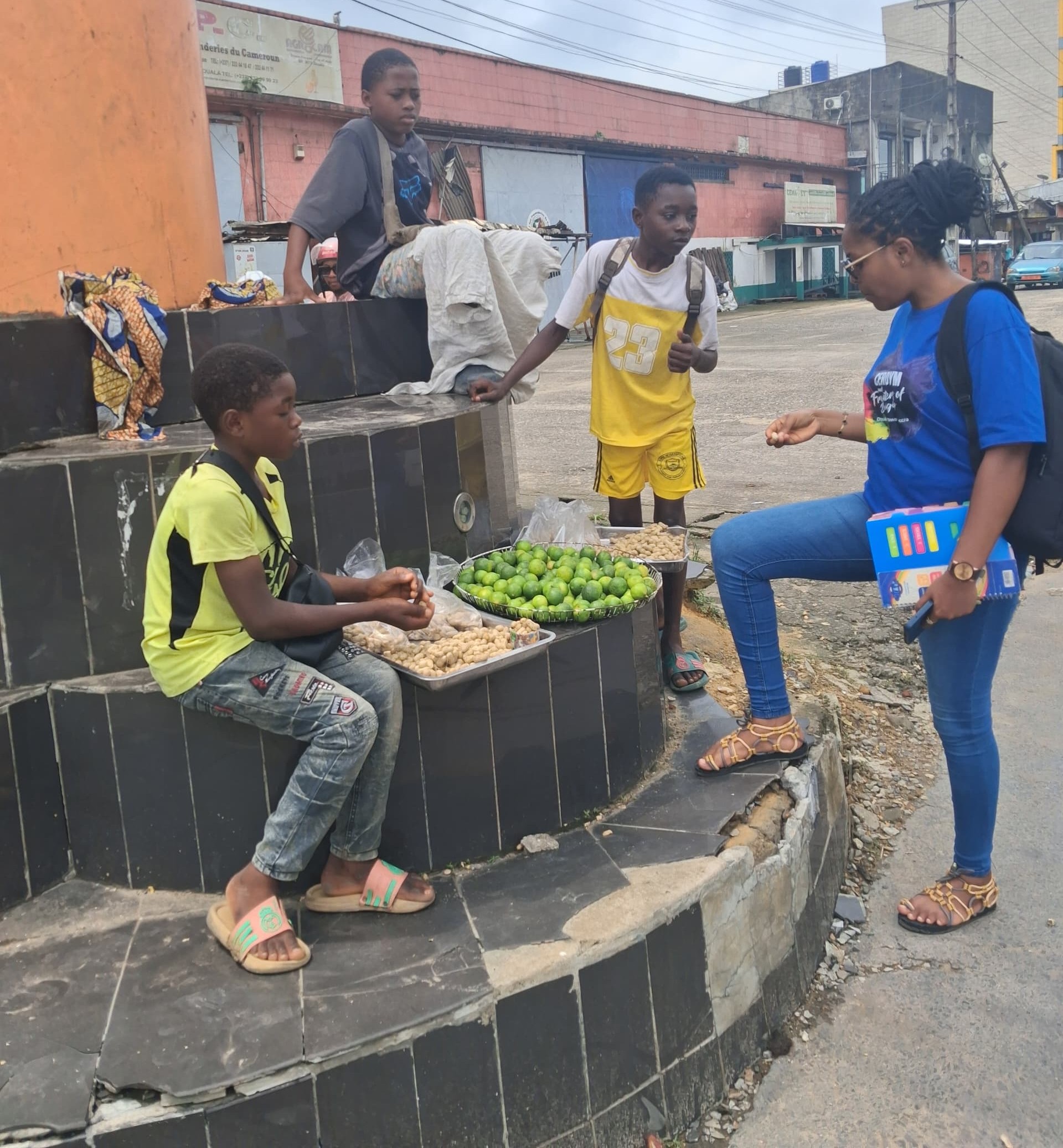
The presence of Internally Displaced Women (IDW) from the Anglophone crisis has become a strategic communications lever for the municipality of Douala IV. Acting in a context of national media silence and strong political sensitivity, the municipality deliberately adopted the principle of “Doing is Communicating” (Watzlawick et al., 1972, p. 48). The positive image of the territory is not constructed by speech, but by concrete proof of action on the ground.
This approach is anchored in the Theory of Social Constructivism (Berger & Luckmann, 1966), where the municipality seeks to externalize its political intention and construct a favorable reality. It achieves this by actively supporting the resilience and self-organization of the IDW. Associations, training and various supports allow women to project their strength of character, thus deconstructing the Social Representation (SR) of the passive victim to impose that of the active entrepreneur (Abric, 1994).
Individual successes are integrated into municipal storytelling (Salmon, 2007) and showcased during public events (Goffman, 1959). This positive instrumentalization directly serves Place Branding: the success of the IDW becomes proof of performance which strengthens the reputation of Douala IV (Fombrun, 1996) as an efficient, humane and united city (Kavaratzis & Hatch, 2013). The visible and successful management of IDW legitimizes social spending among local citizens and ensures strategic alignment with the financing criteria of social associations and national NGOs, guaranteeing the attractiveness and stability of the territory.